
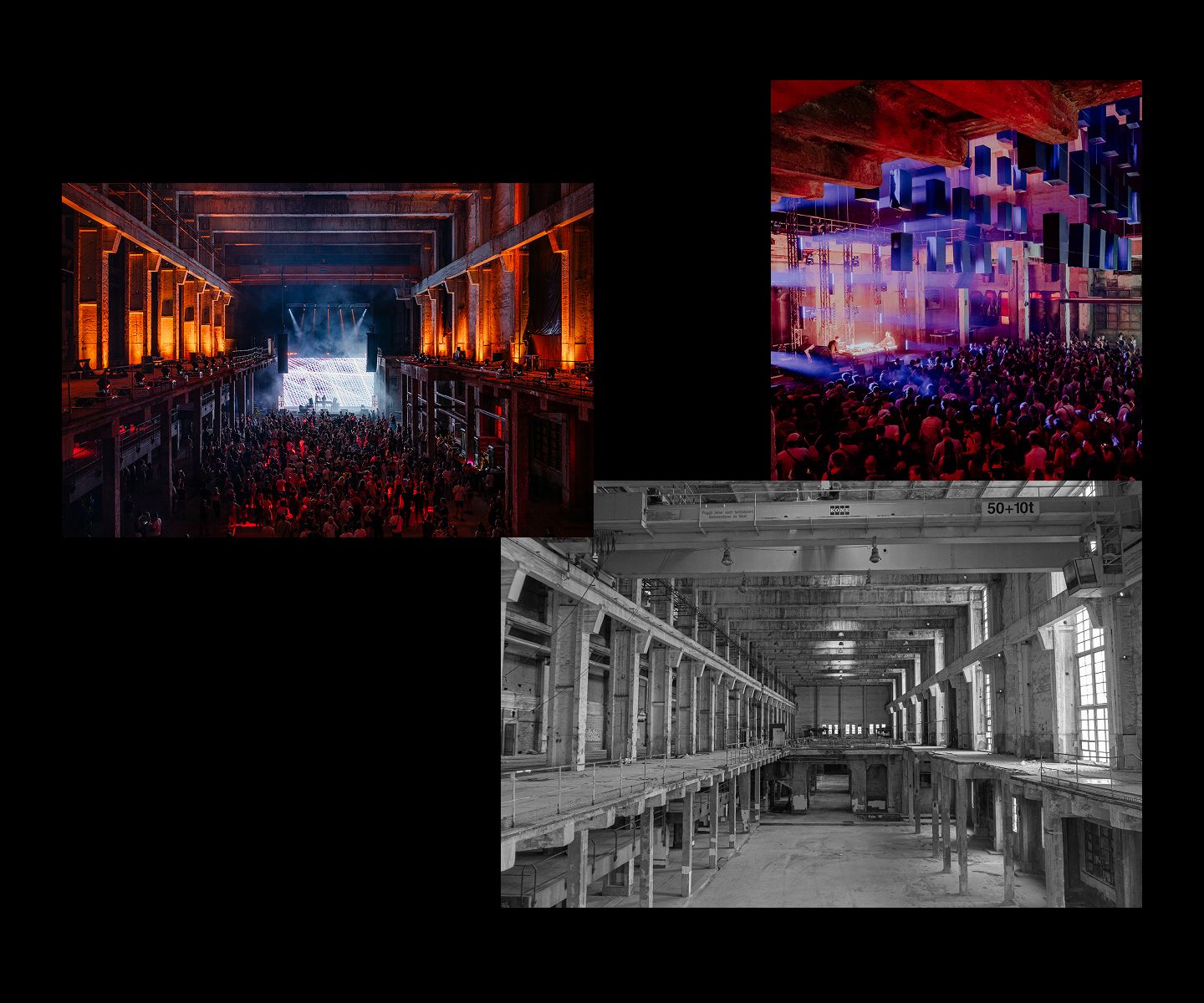
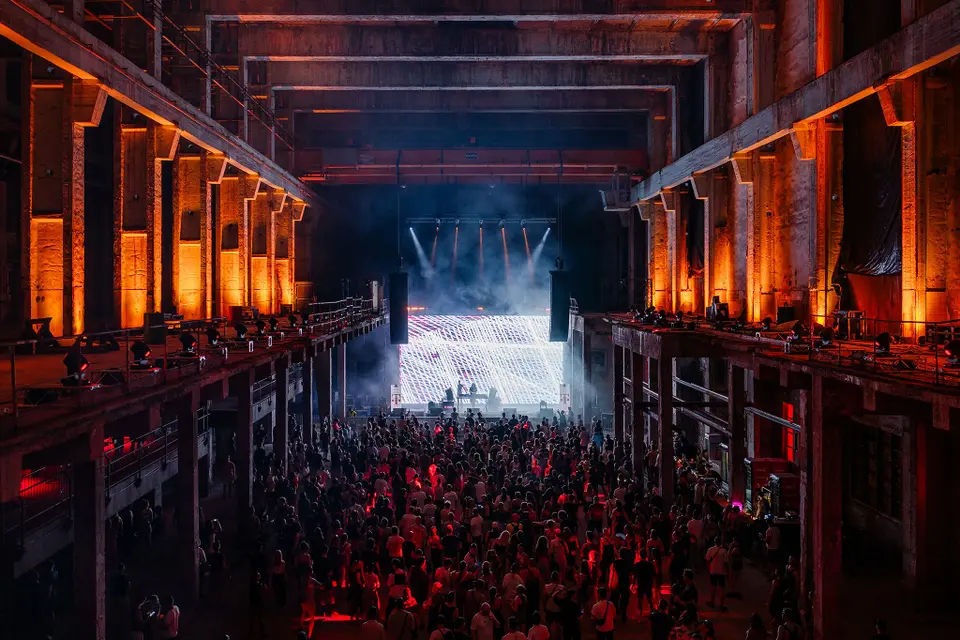
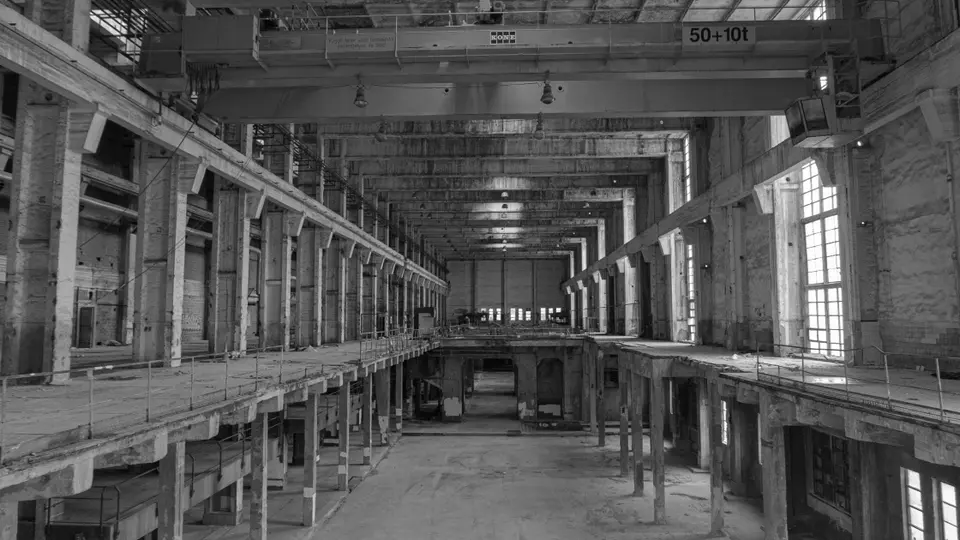
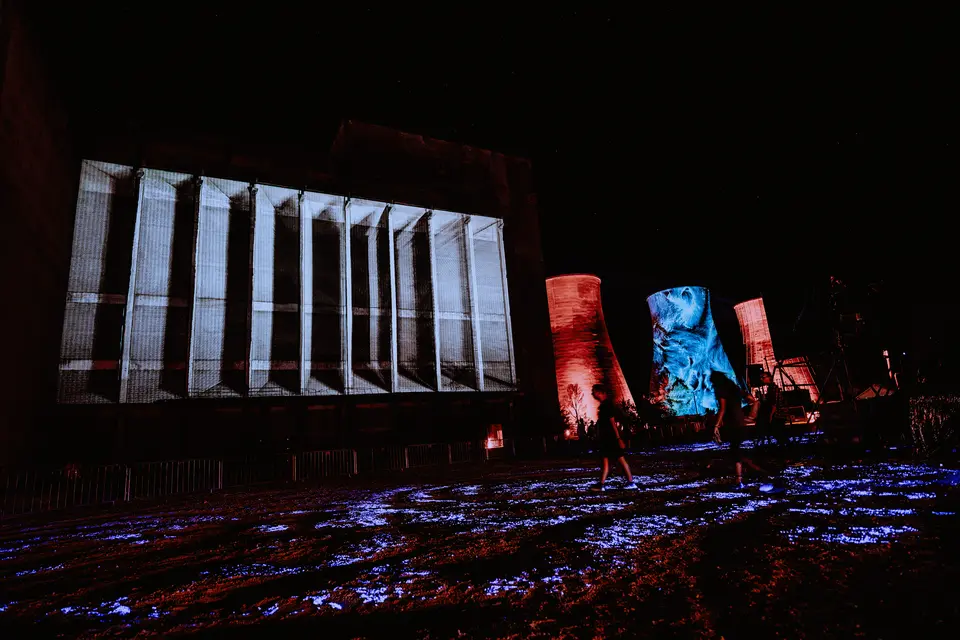
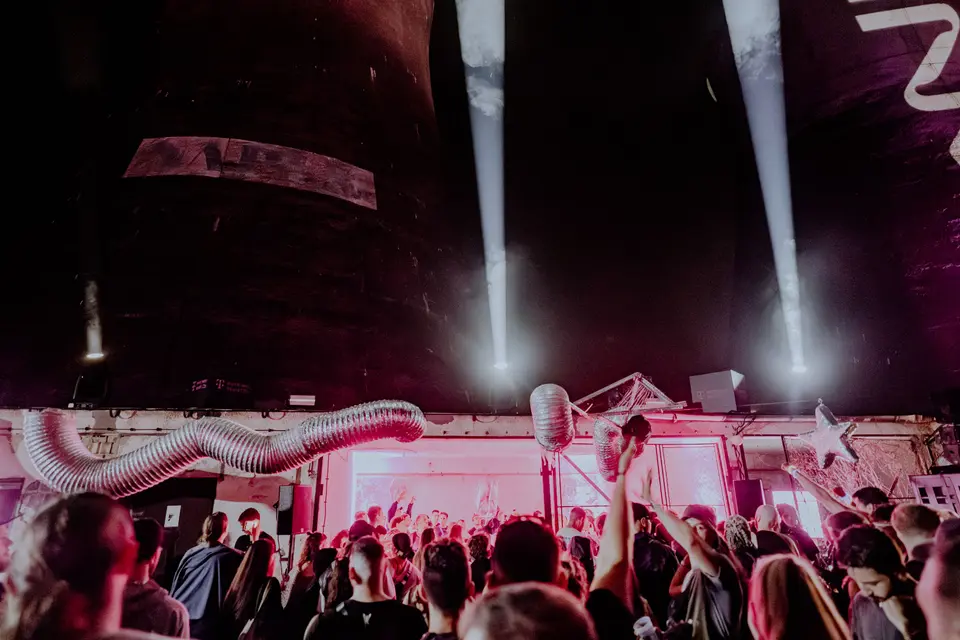
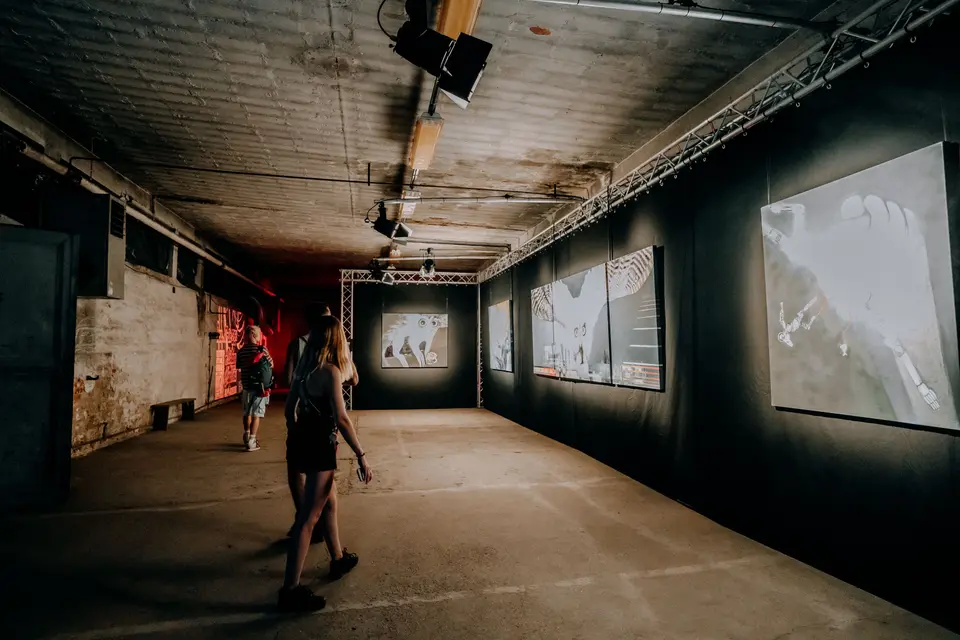
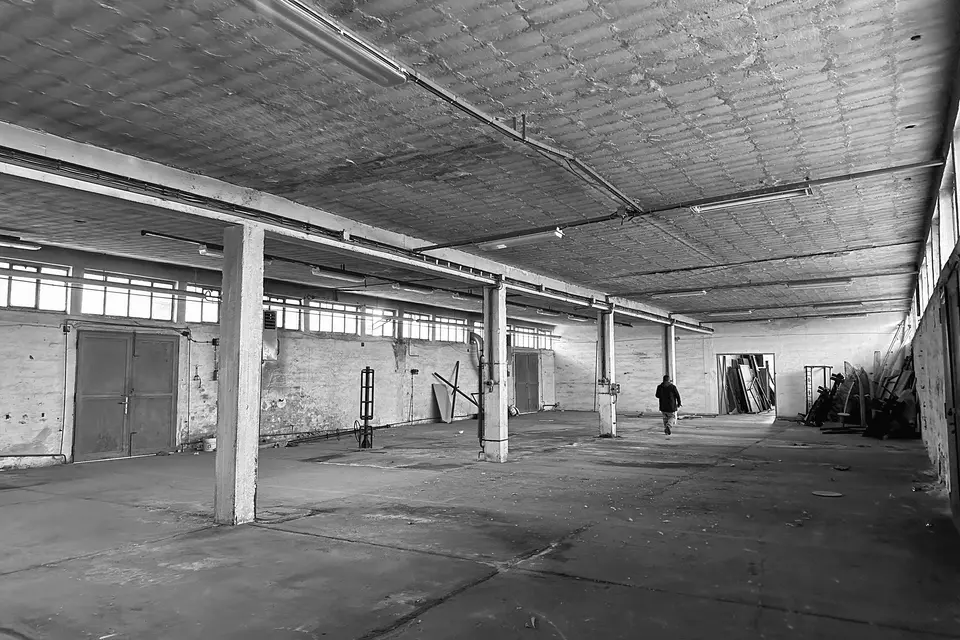
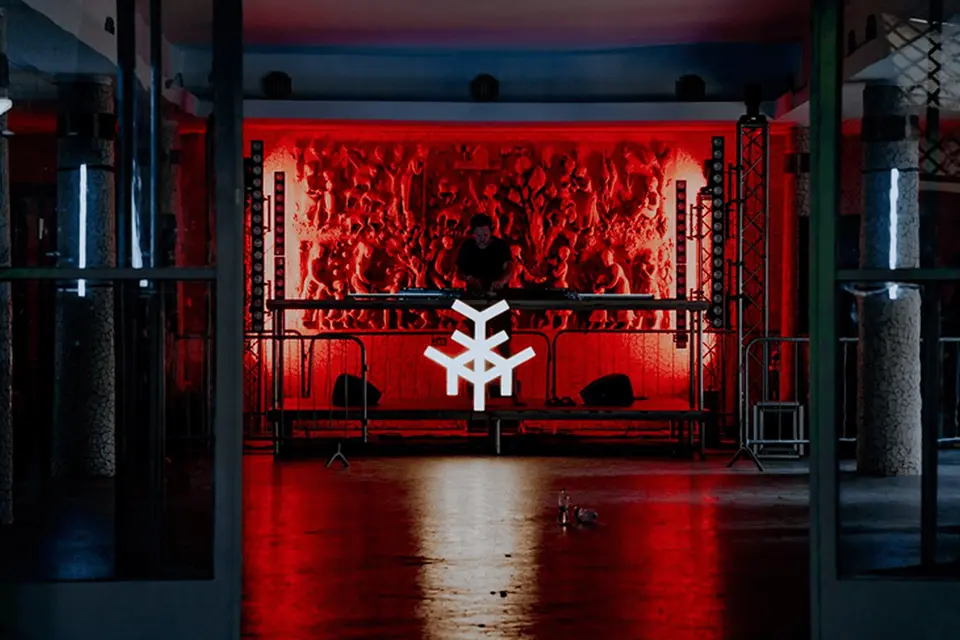
Fifty years ago, turbines rumbled here, generating electricity inside the 6,000-square-meter hall lined with glass bricks. By day, it’s a monumental exhibition space; by night, an iconic rave venue - the cultural gravitational center of the site.
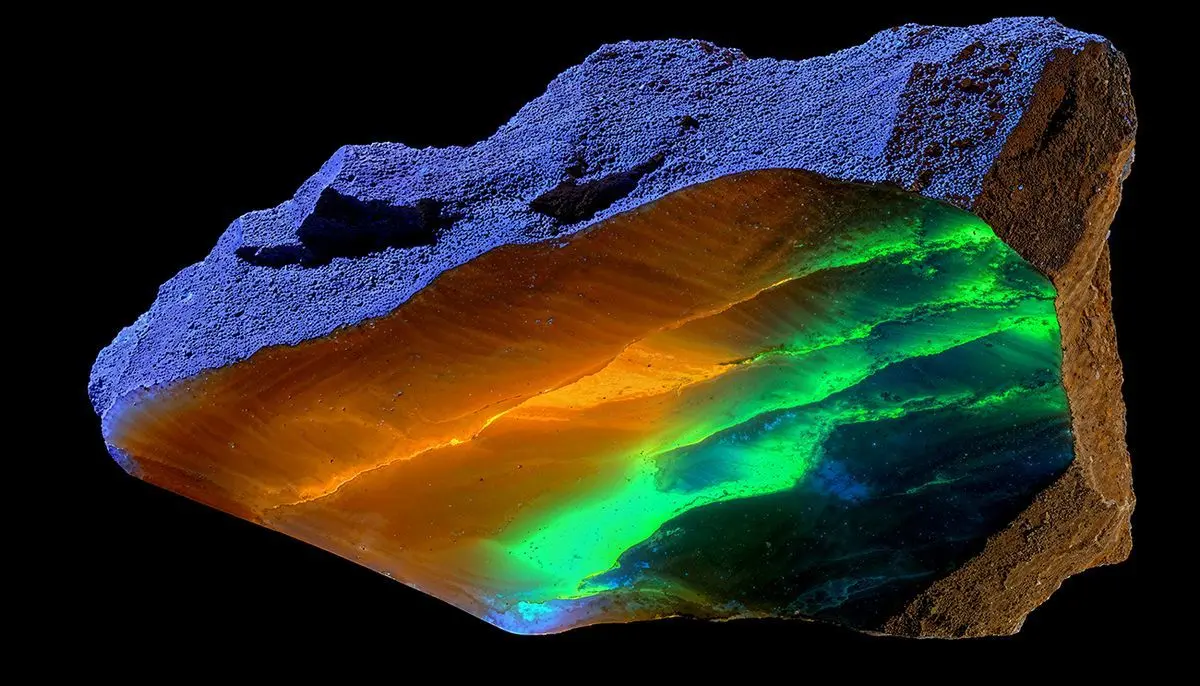
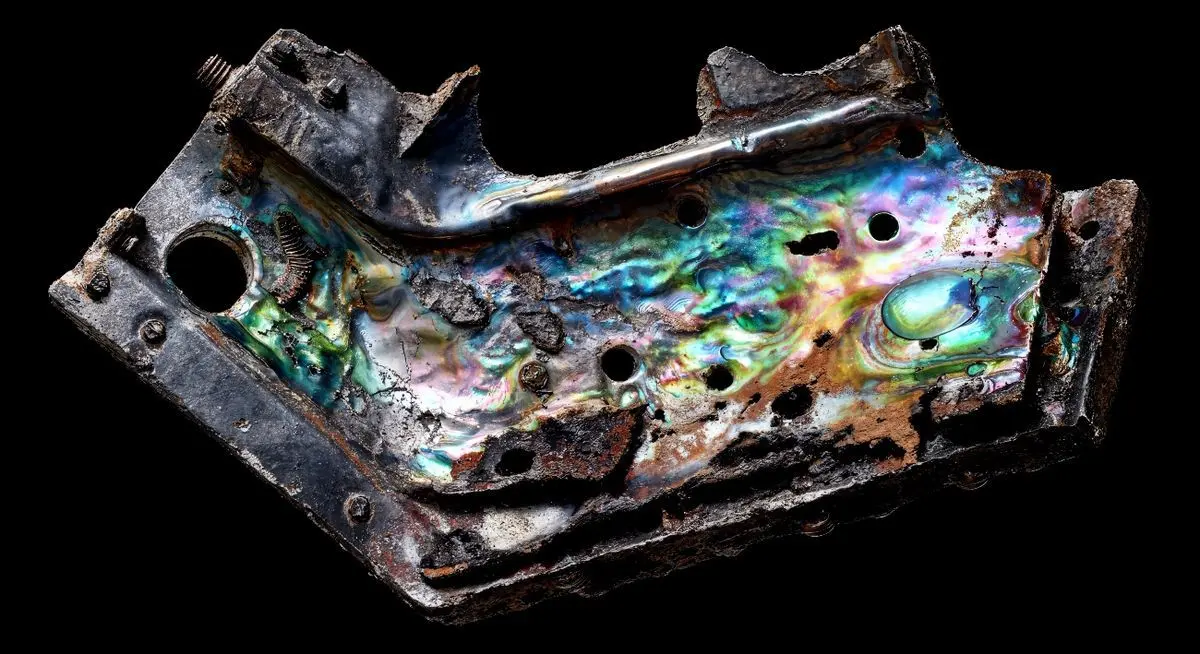
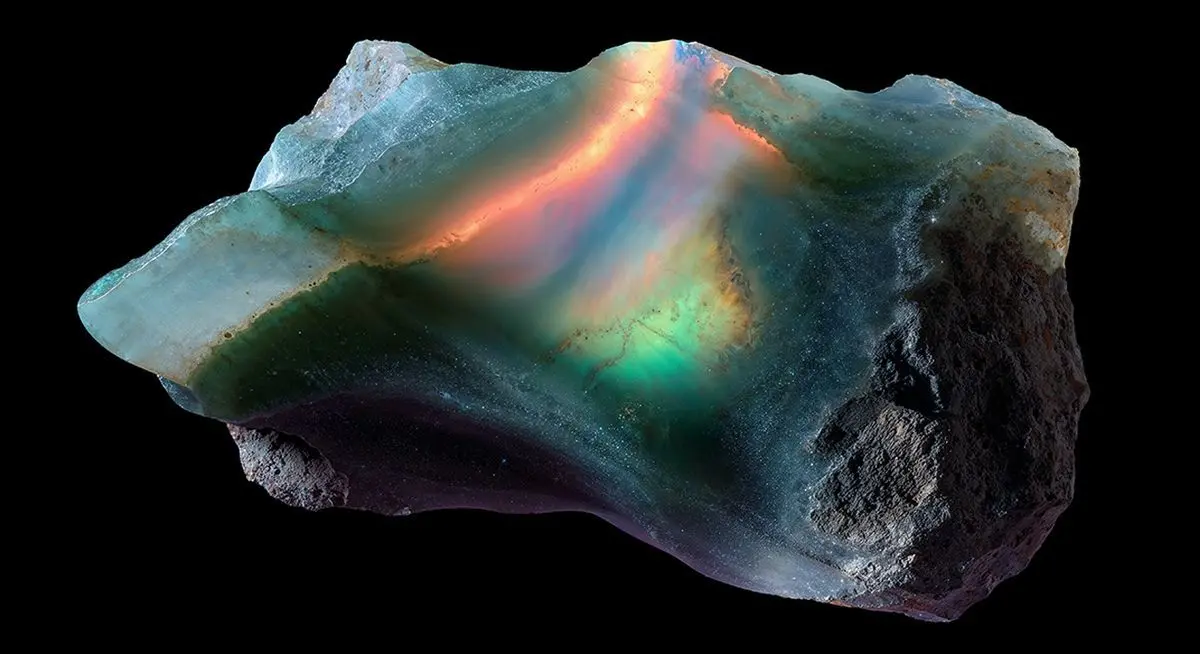
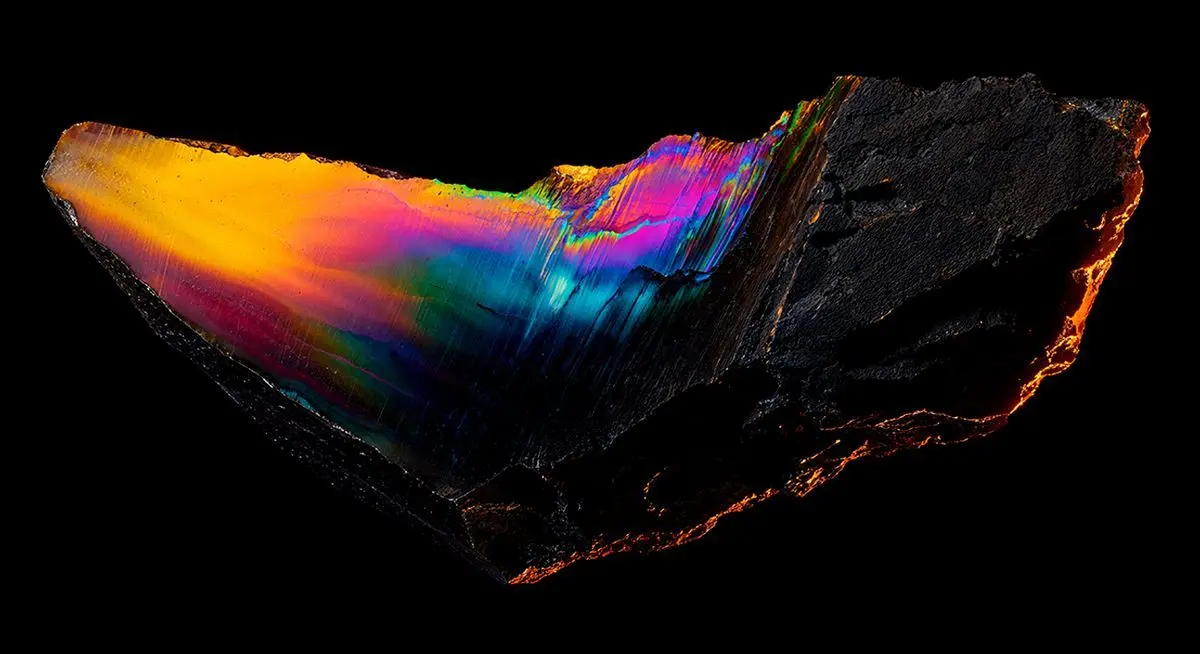
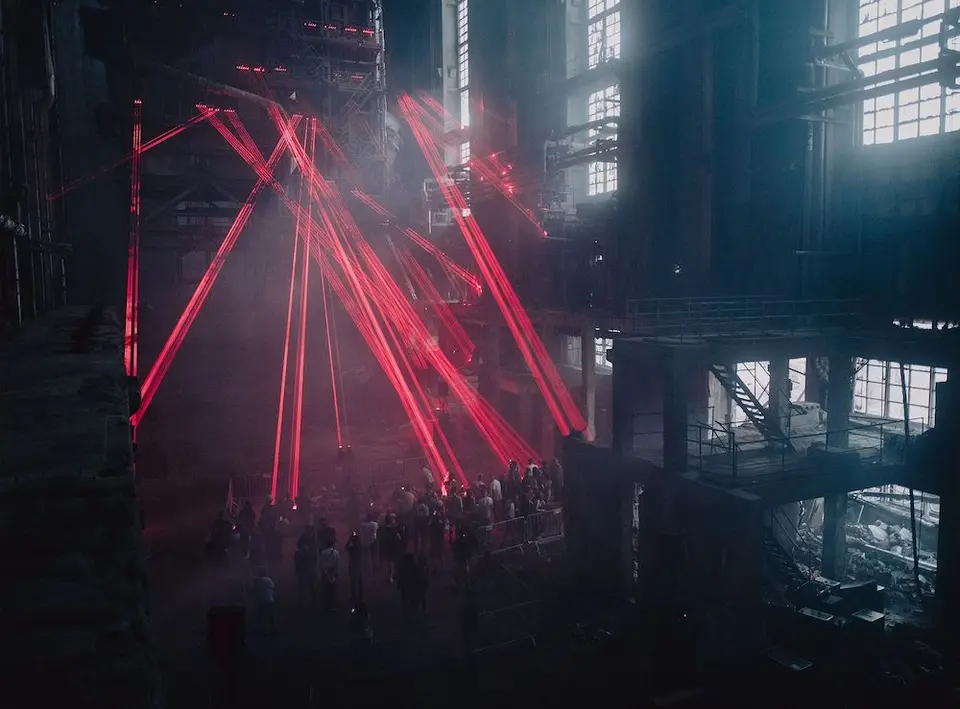
INOTA is not a point in time, but an architecture of overlapping, dynamic historical layers: a unique place where the industrial heritage of the socialist past, the creative energies of the present, and visions of the future still searching for their forms coexist at once.
Thank you to our supporters – we wouldn’t be here without you.
Want to join? Connect with us! → info@inota.eu















Fifty years ago, turbines rumbled here, generating electricity inside the 6,000-square-meter hall lined with glass bricks. By day, it’s a monumental exhibition space; by night, an iconic rave venue - the cultural gravitational center of the site.
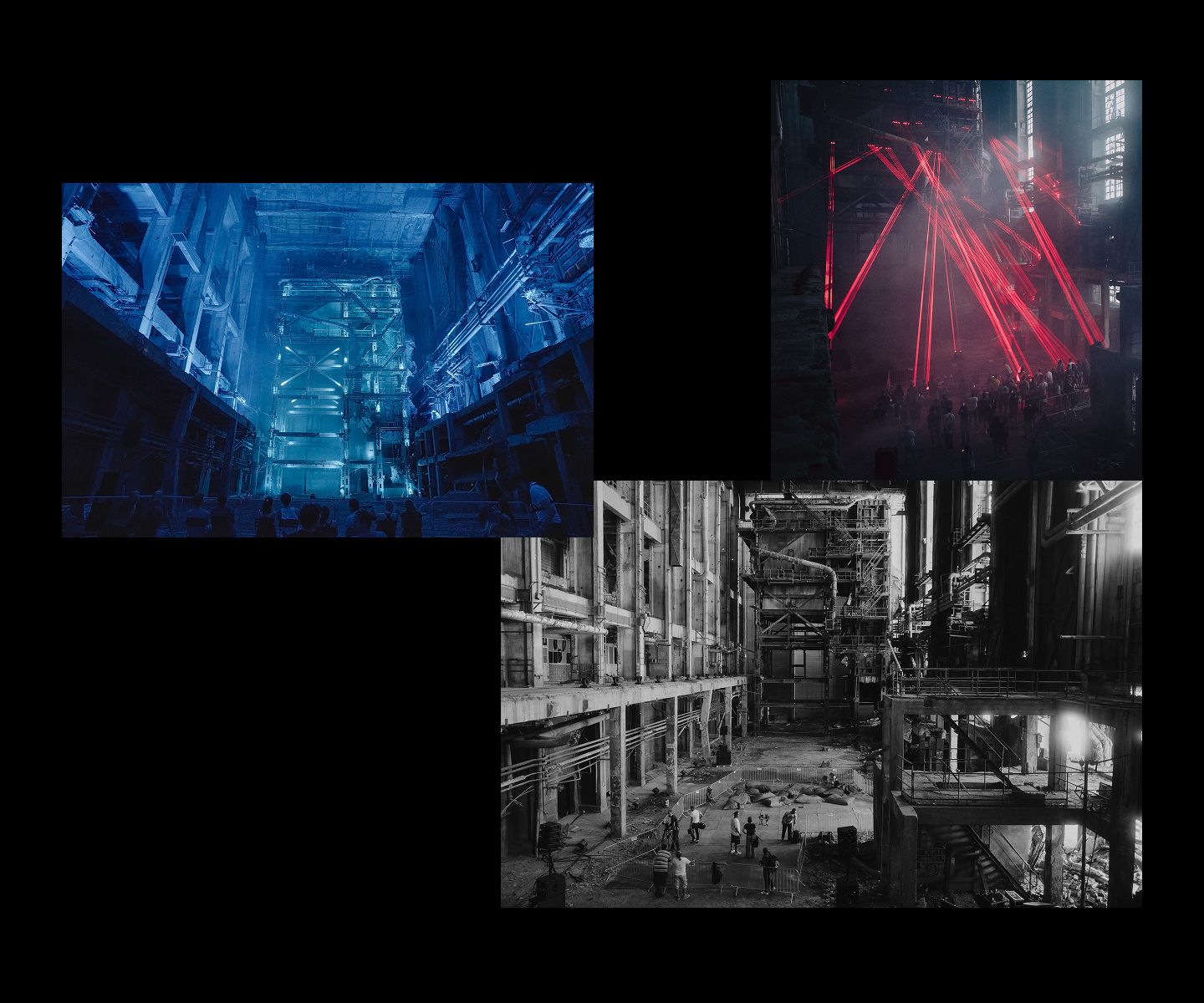
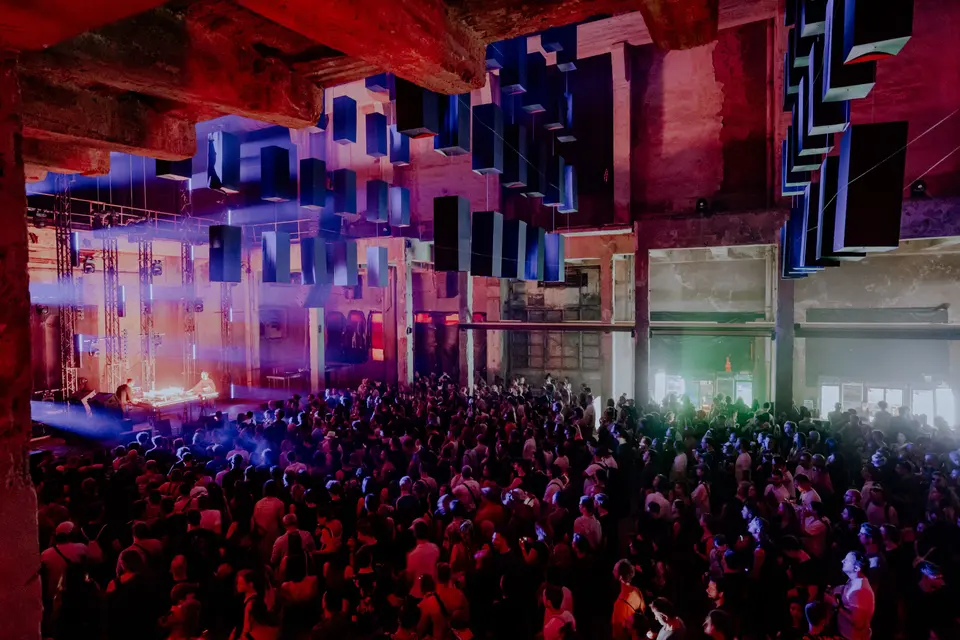
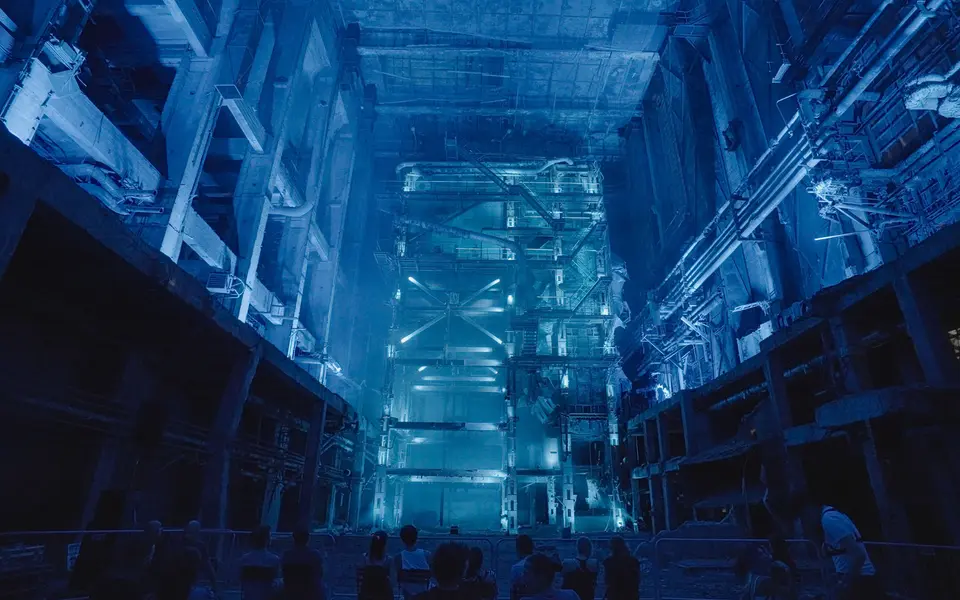
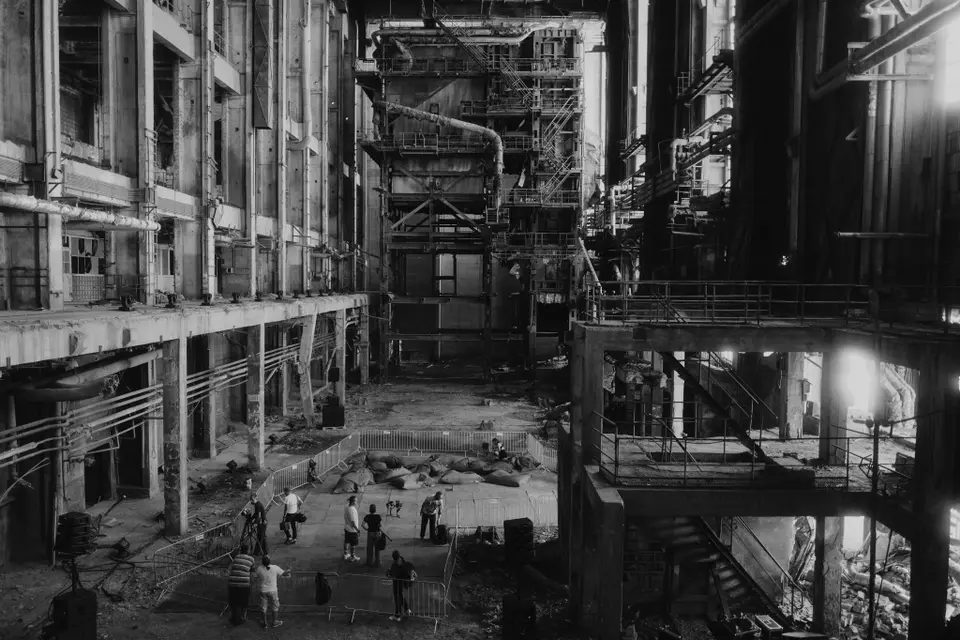
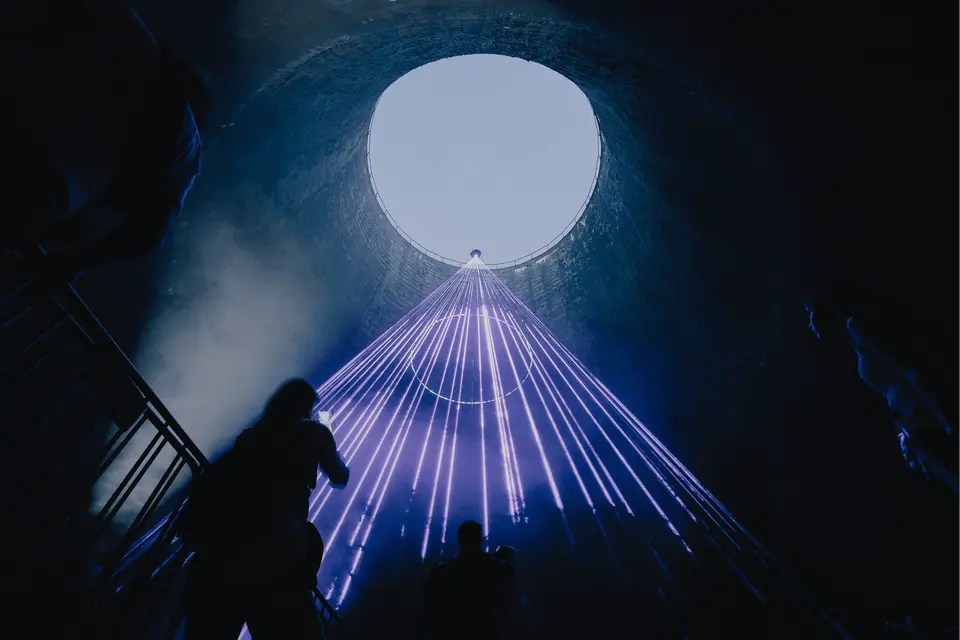
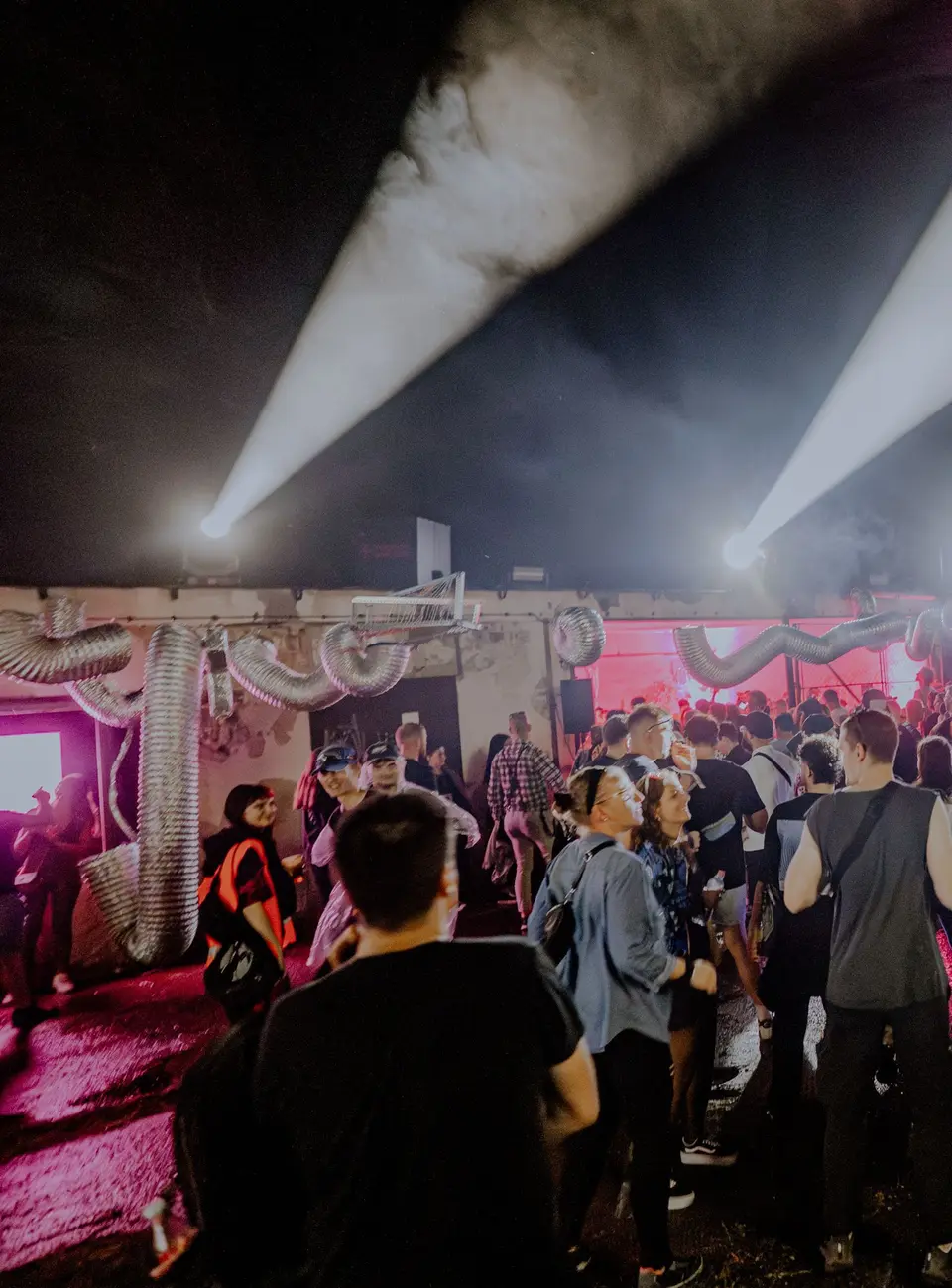
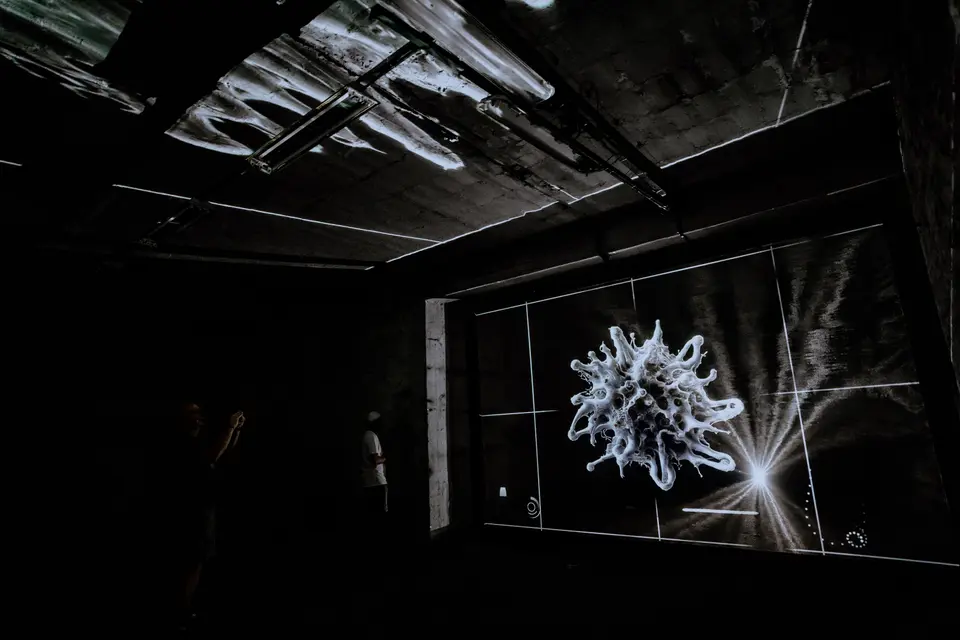
The (not so) smaller brother of the Turbine Hall is one of our most important installation spaces where winding pipes and staircases merge into a large-scale industrial organism.
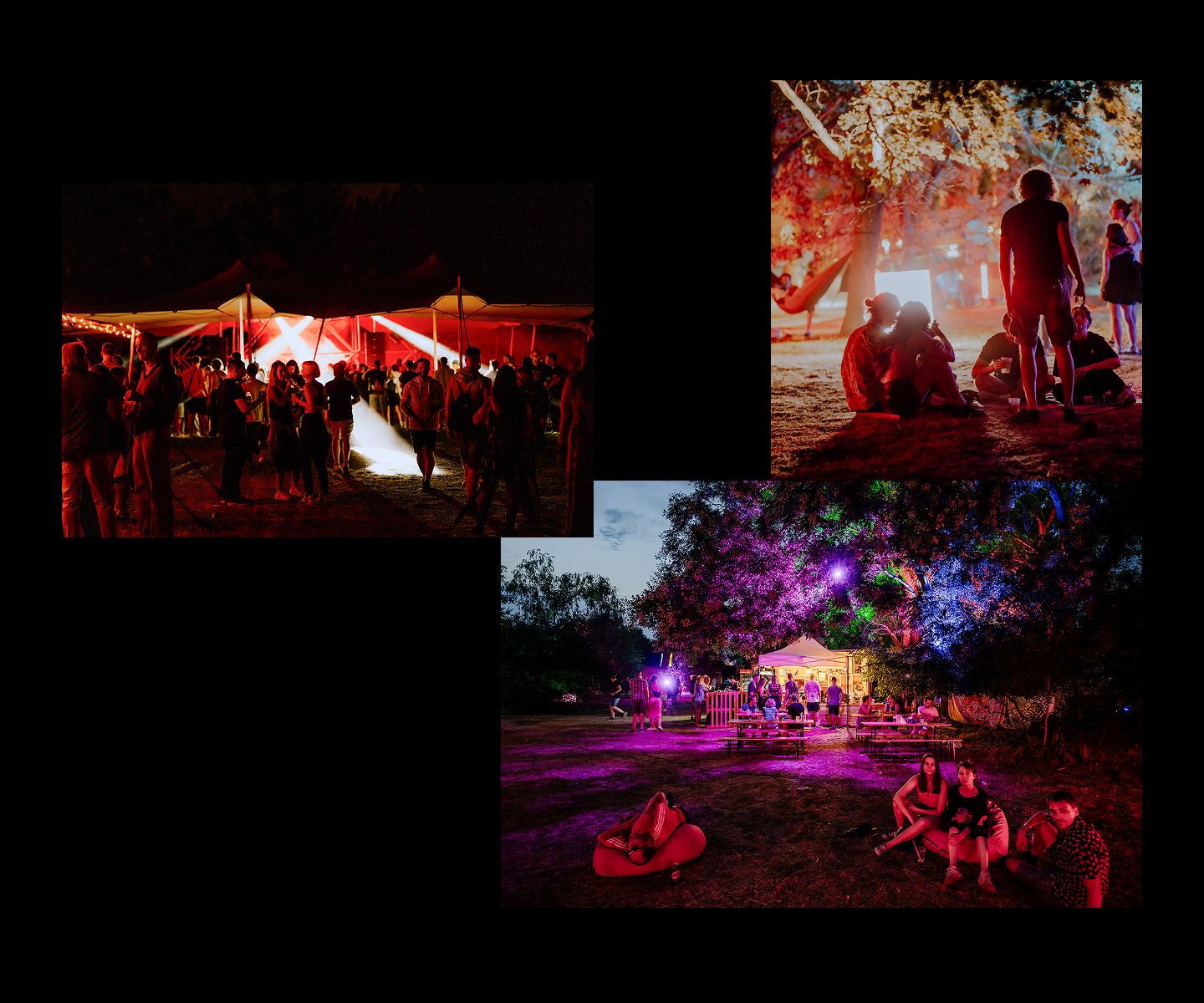
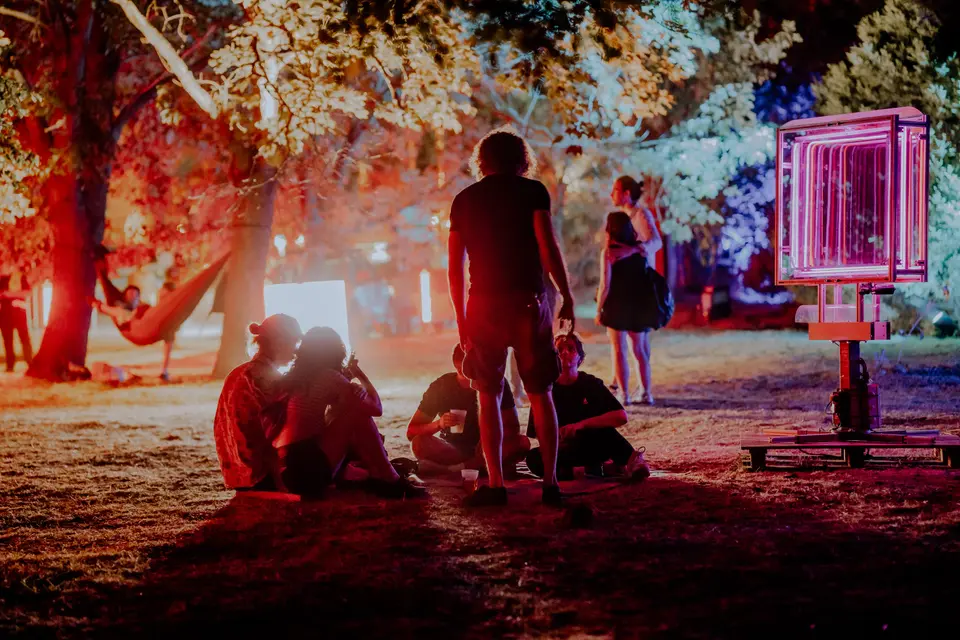
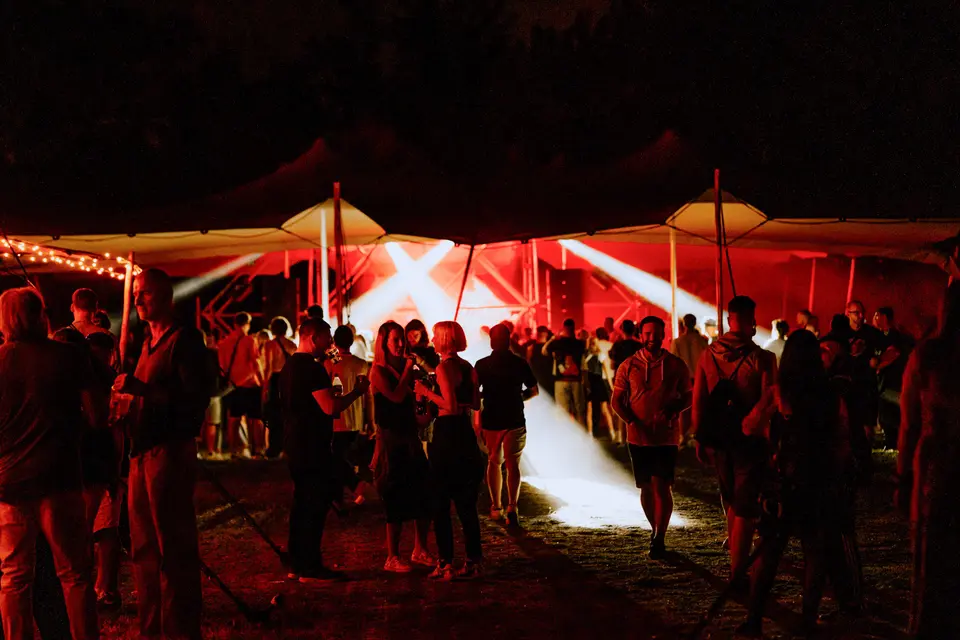
Our chill oasis transforms into the main dance floor from afternoon till dawn, under a light-pollution-free sky.
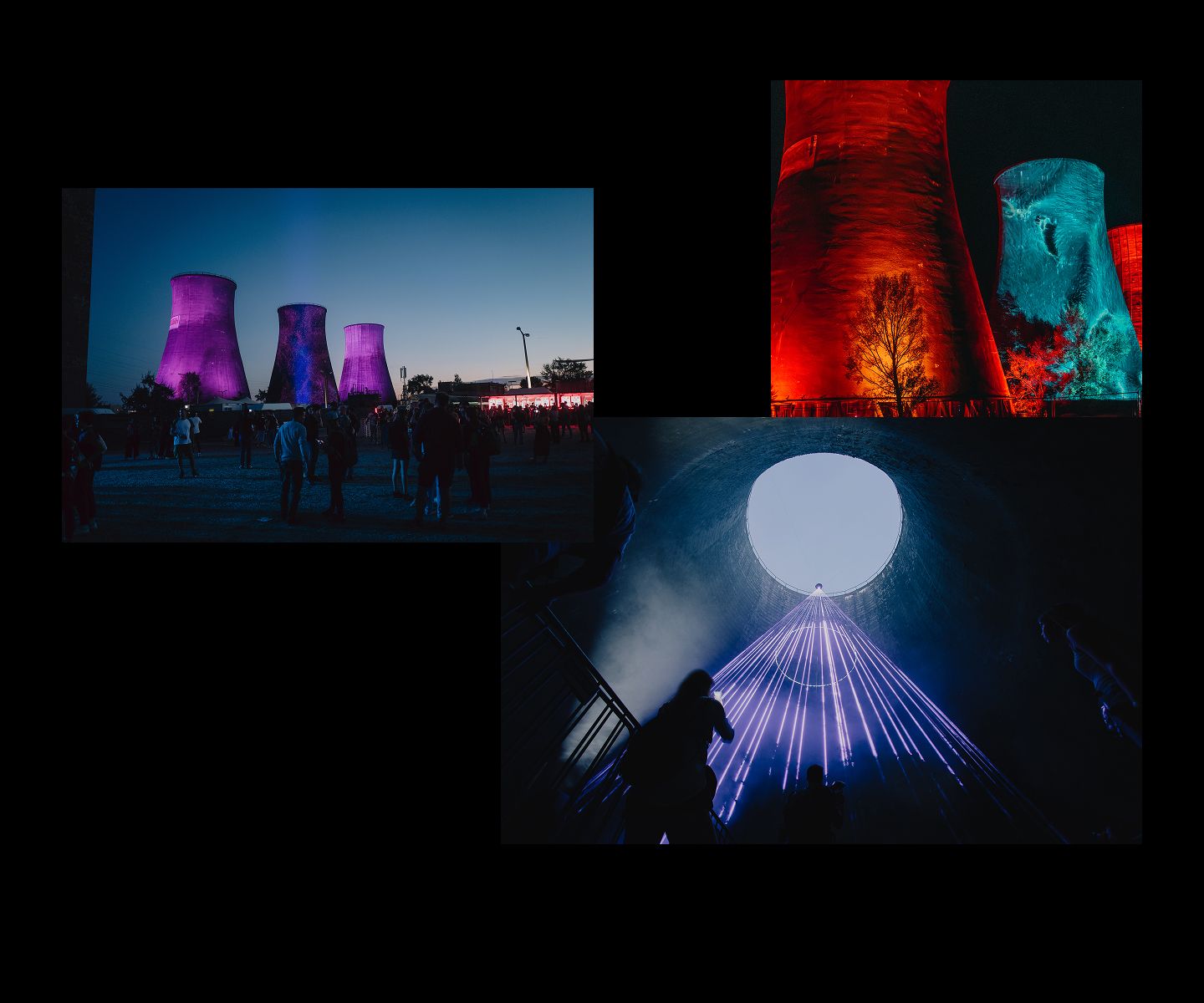
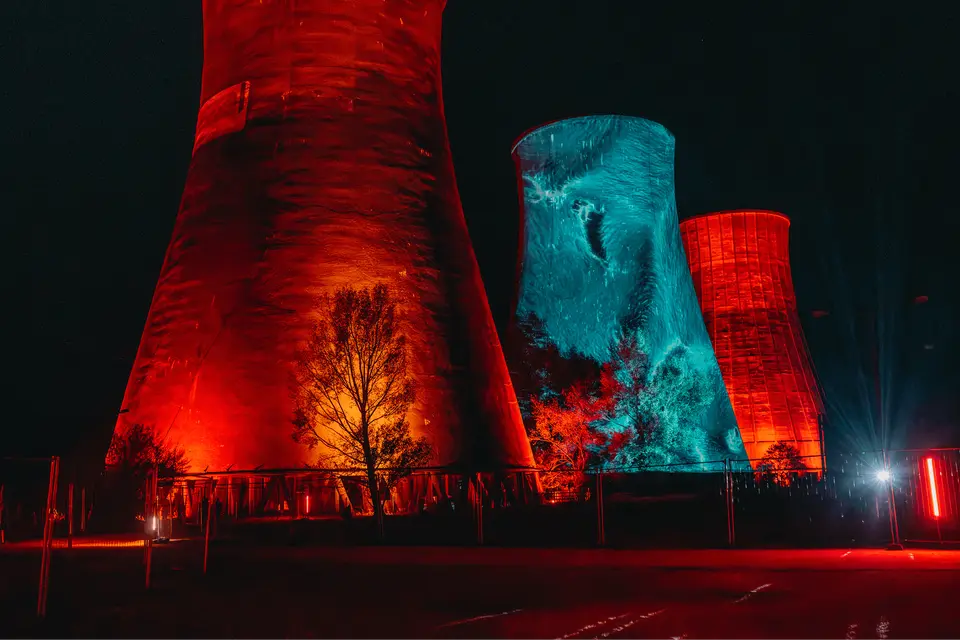
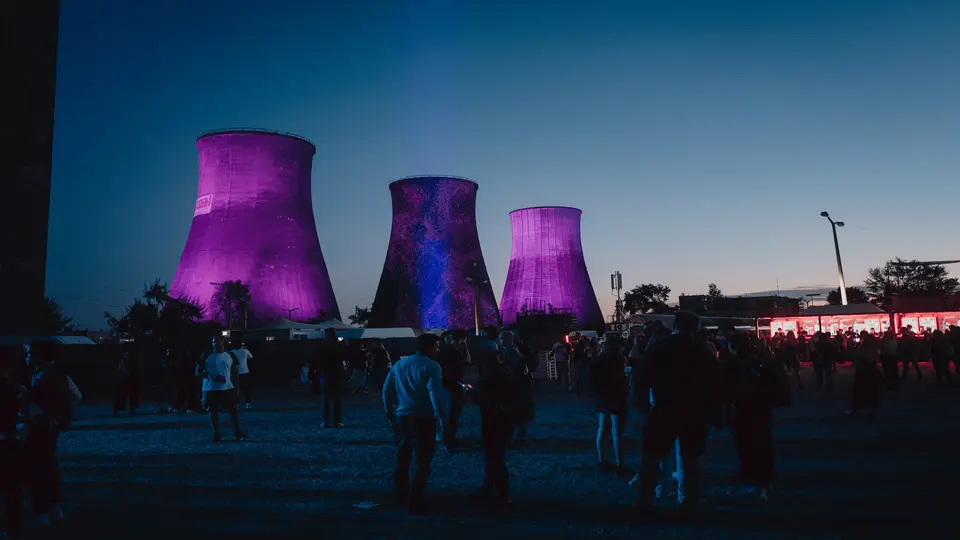
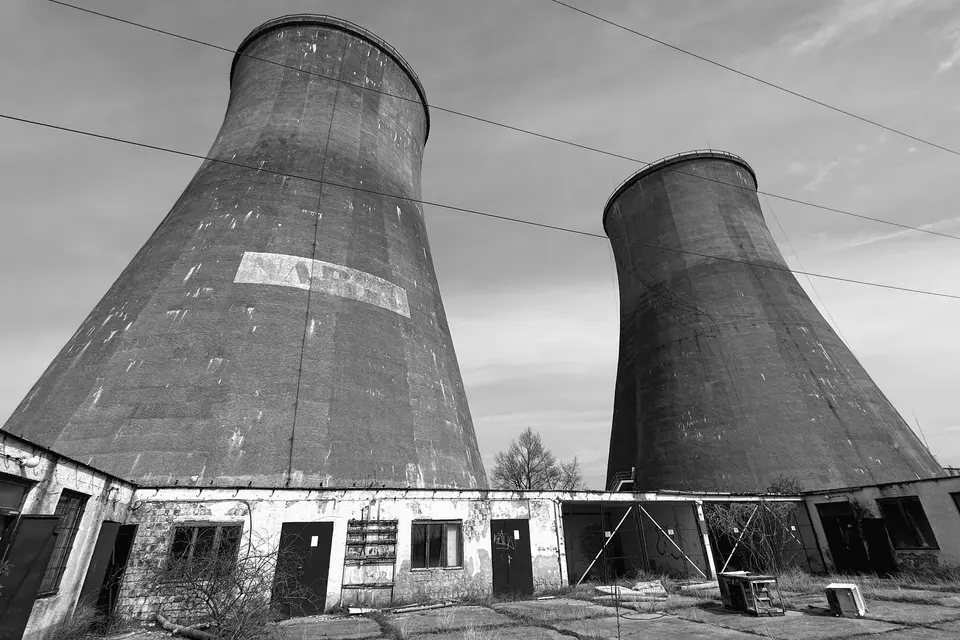
The 60-meter cooling towers dominating the skyline once cooled water in a closed-loop system using air condensation, recirculating the chilled liquid back into operation. During our festival, they host a new light installation every year.
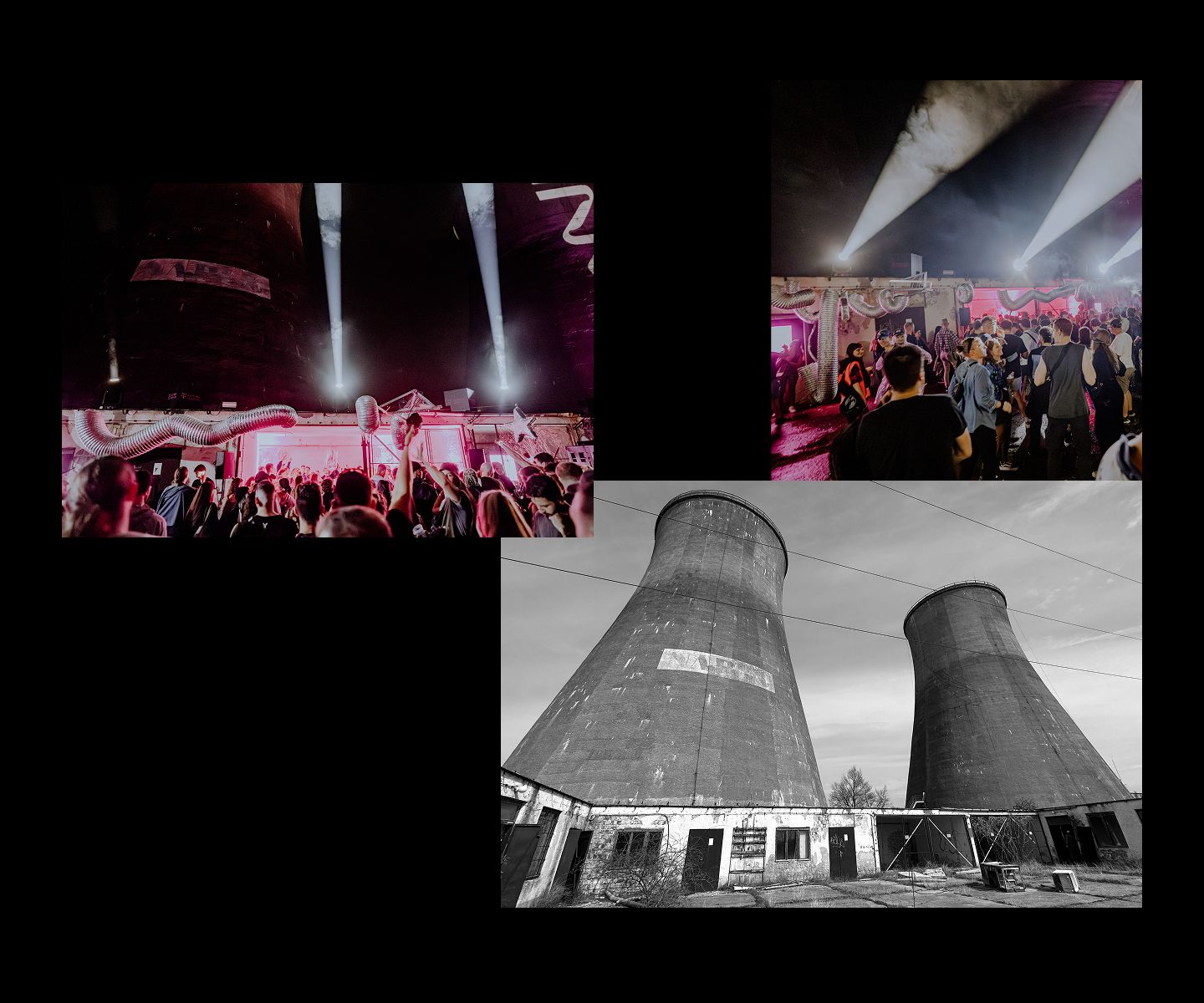
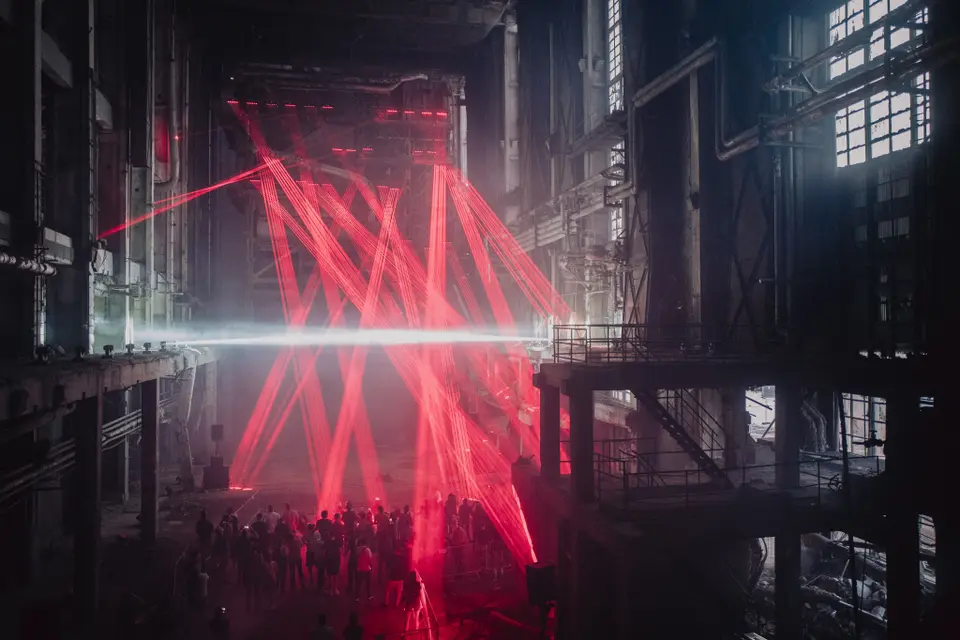
In 2026, PERIPHERIA unfolds across two full days as a crucible of the most radical music genres: hardcore, breakcore, mental tek, psytek, hardtek, and hi-tech converge at the foot of the three cooling towers, with international artists and Hungarian producers alike, while the stage itself also functions as a striking visual installation.
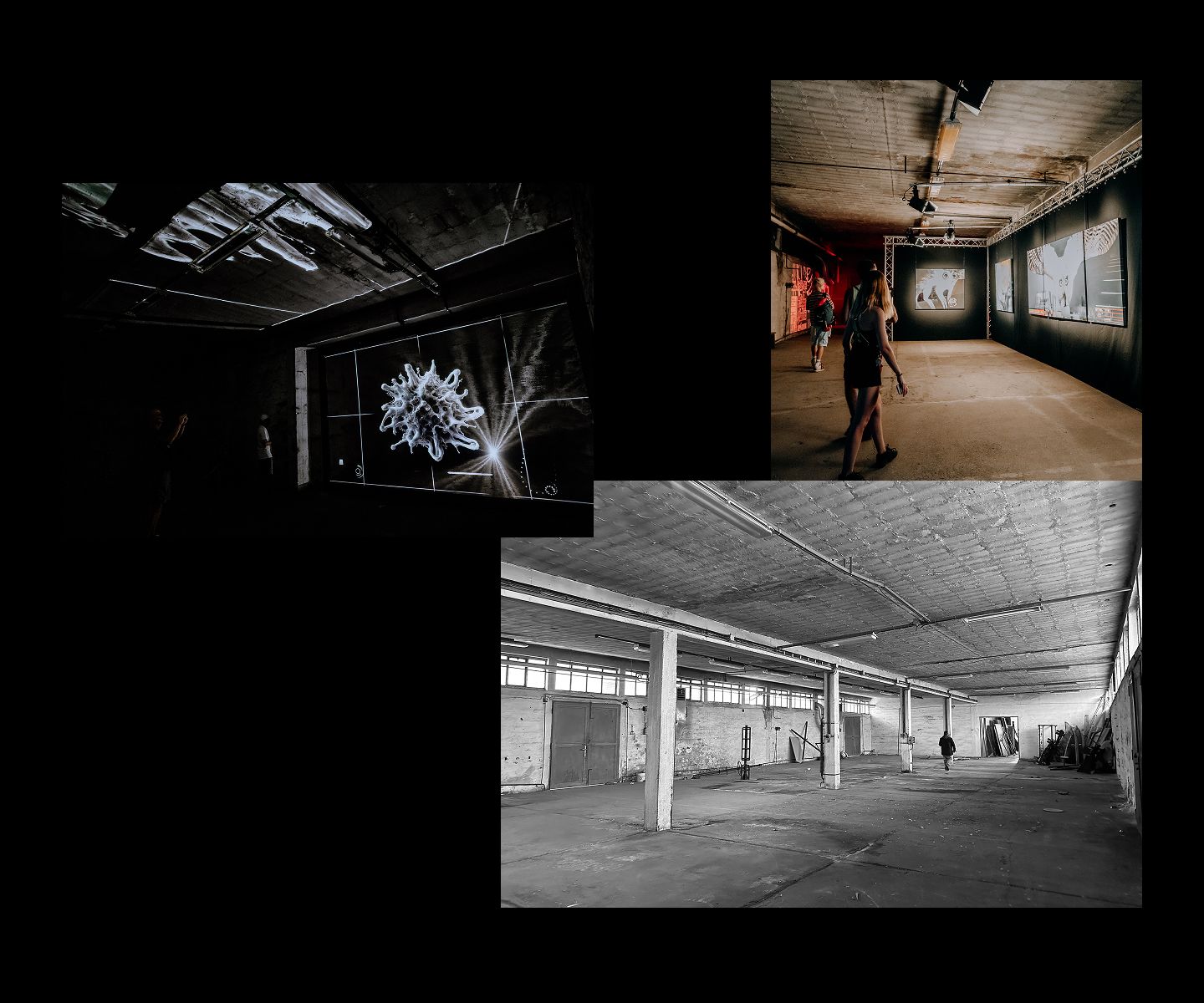
The Depo highlights INOTA’s workshop- and small exhibition space character, located along the route leading toward the back areas of the site.
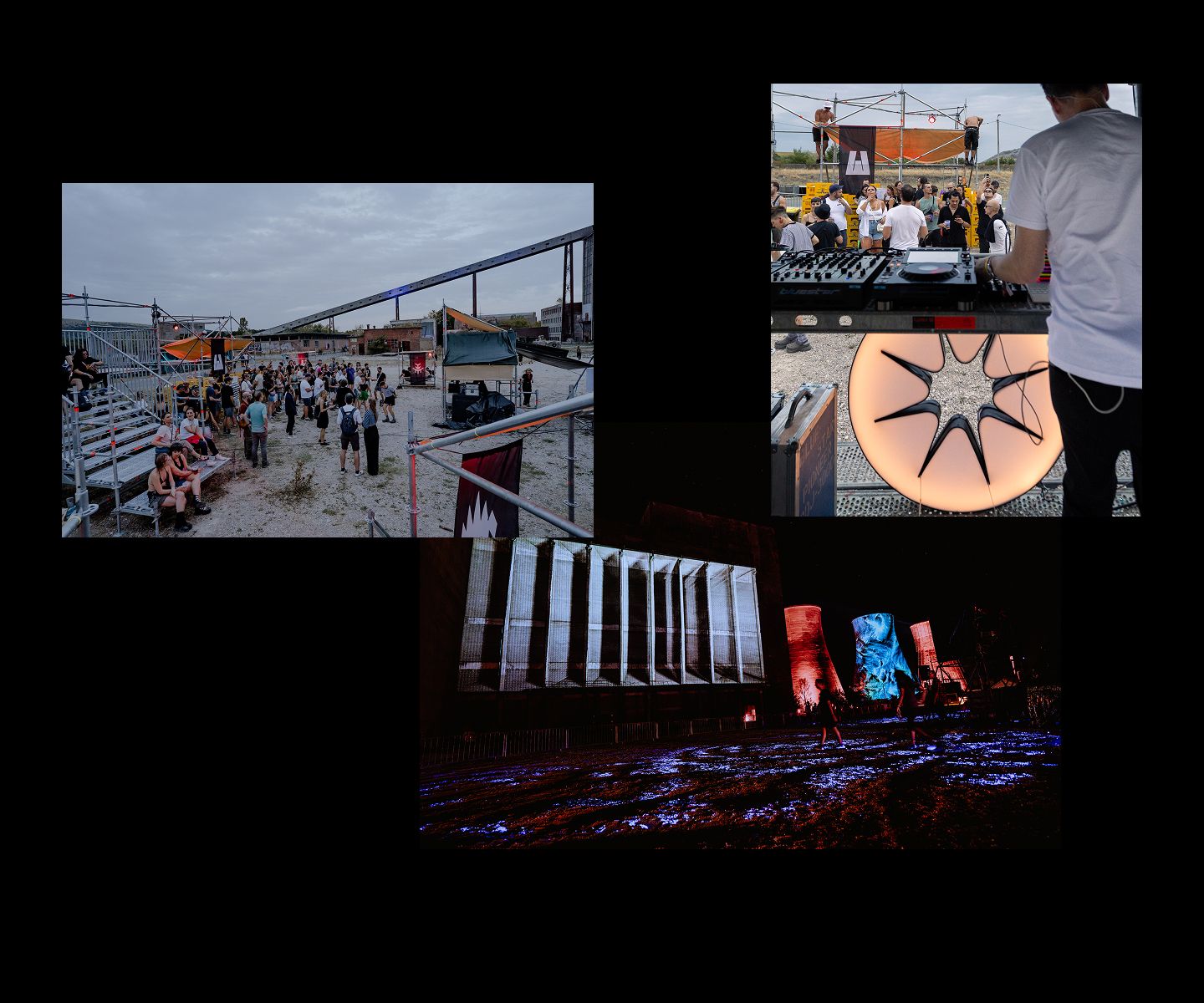
In the largest courtyard of the dieselpunk-flavored industrial area, you can ease into the evening under a Bedouin tent, guided by slower, more mystical rhythms, as the setting sun paints the landscape behind the three towers.
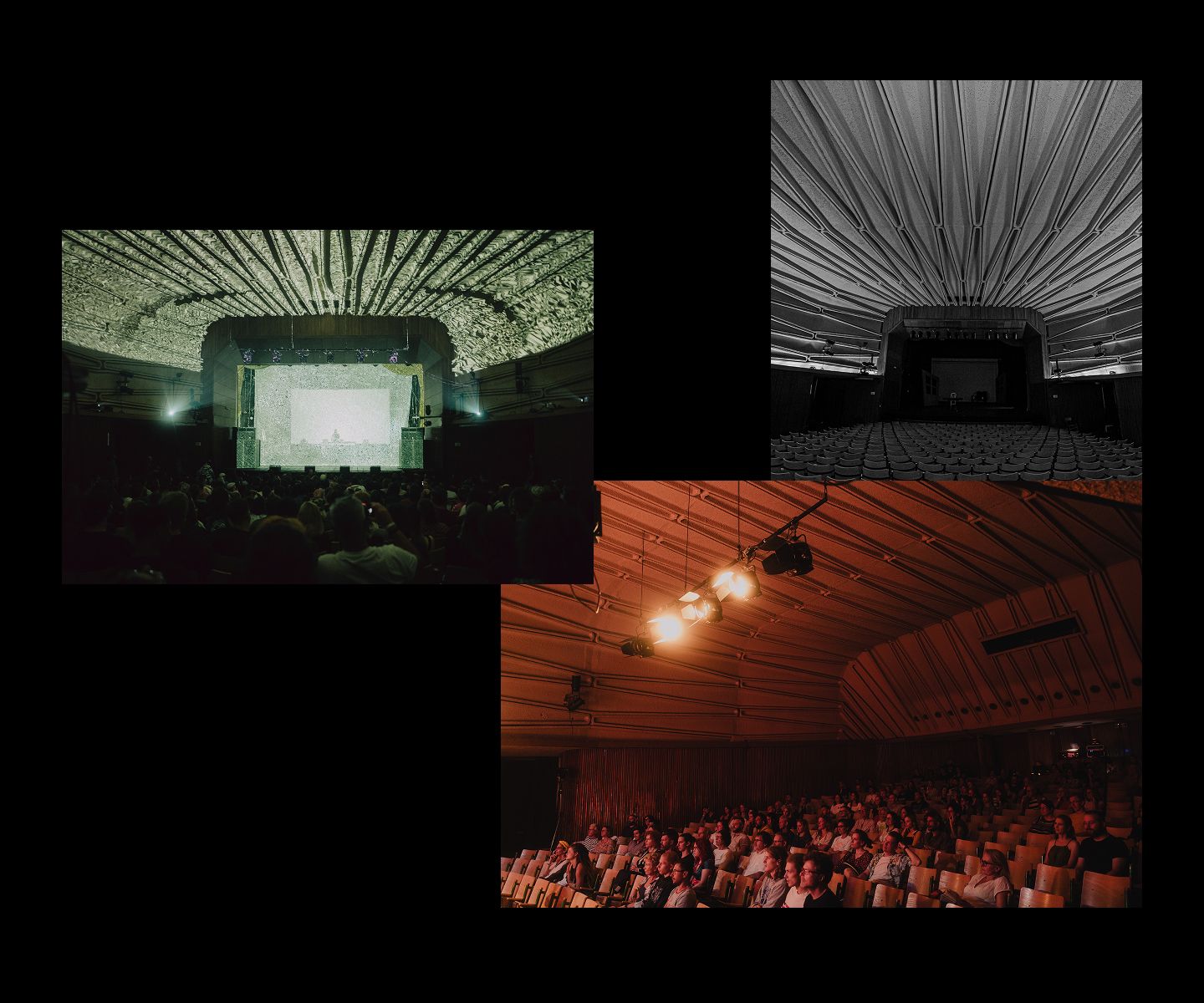
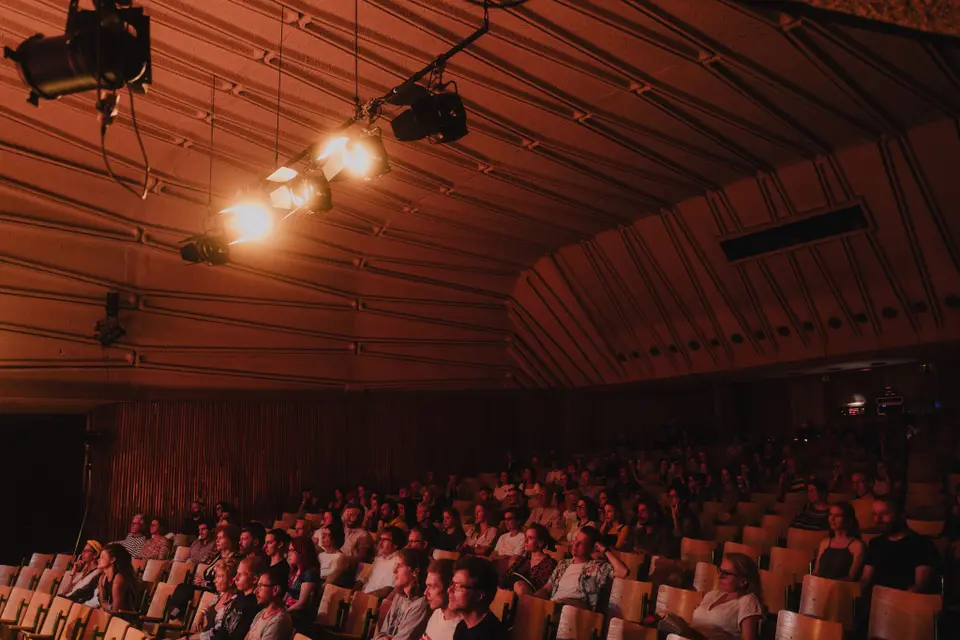
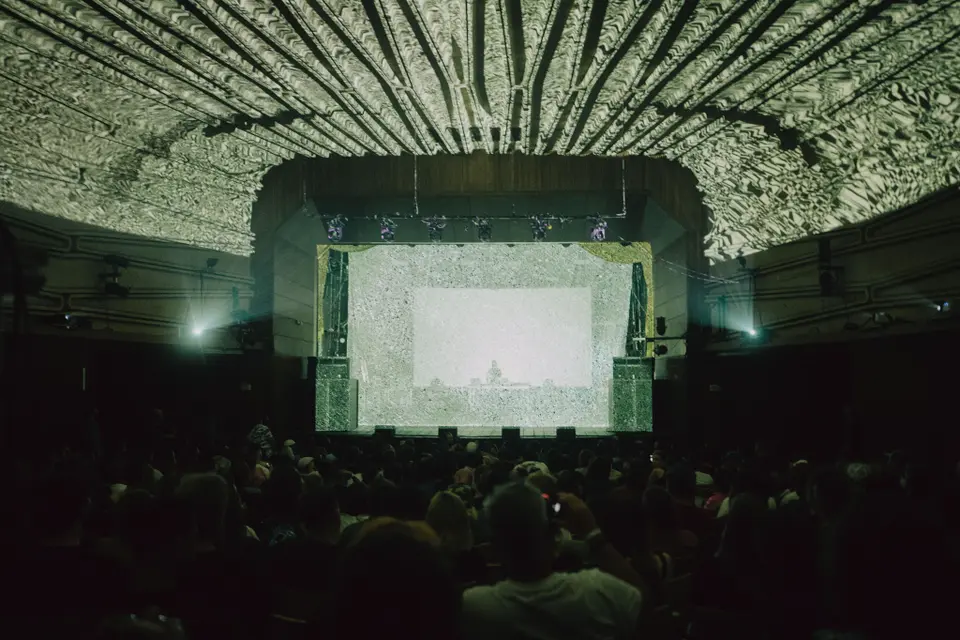
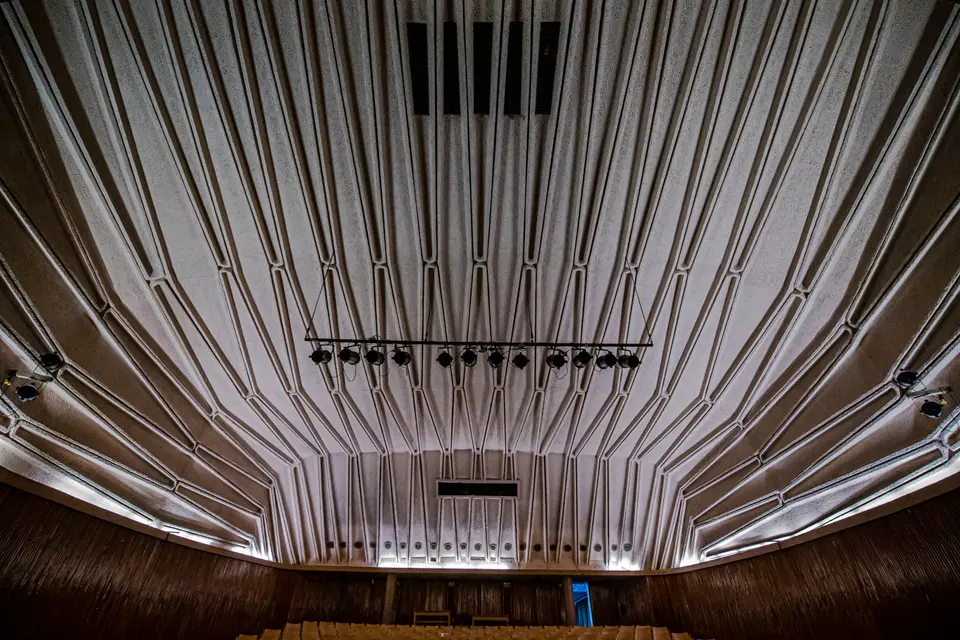
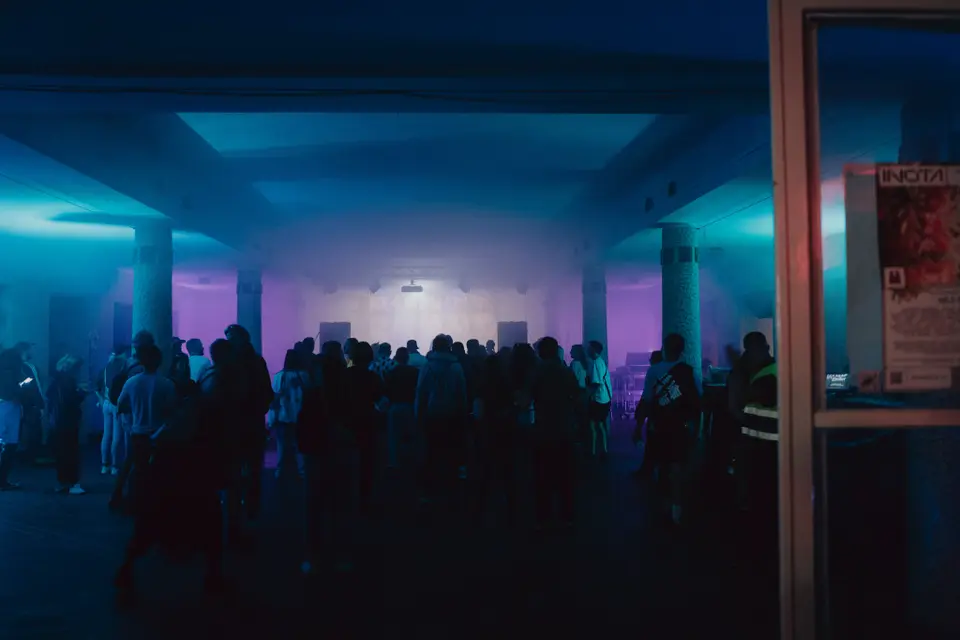
The power plant included a housing estate - Inota even had its own postcode - and a beach and a community centre were also built for the families of the workers. In the foyer of the latter, 1950s mosaics by Gyula Hincz and Géza Fónyi welcome visitors to the theatre with its brutalist ceiling, said to have been the most acoustically sophisticated theatre in Central Europe at the time.
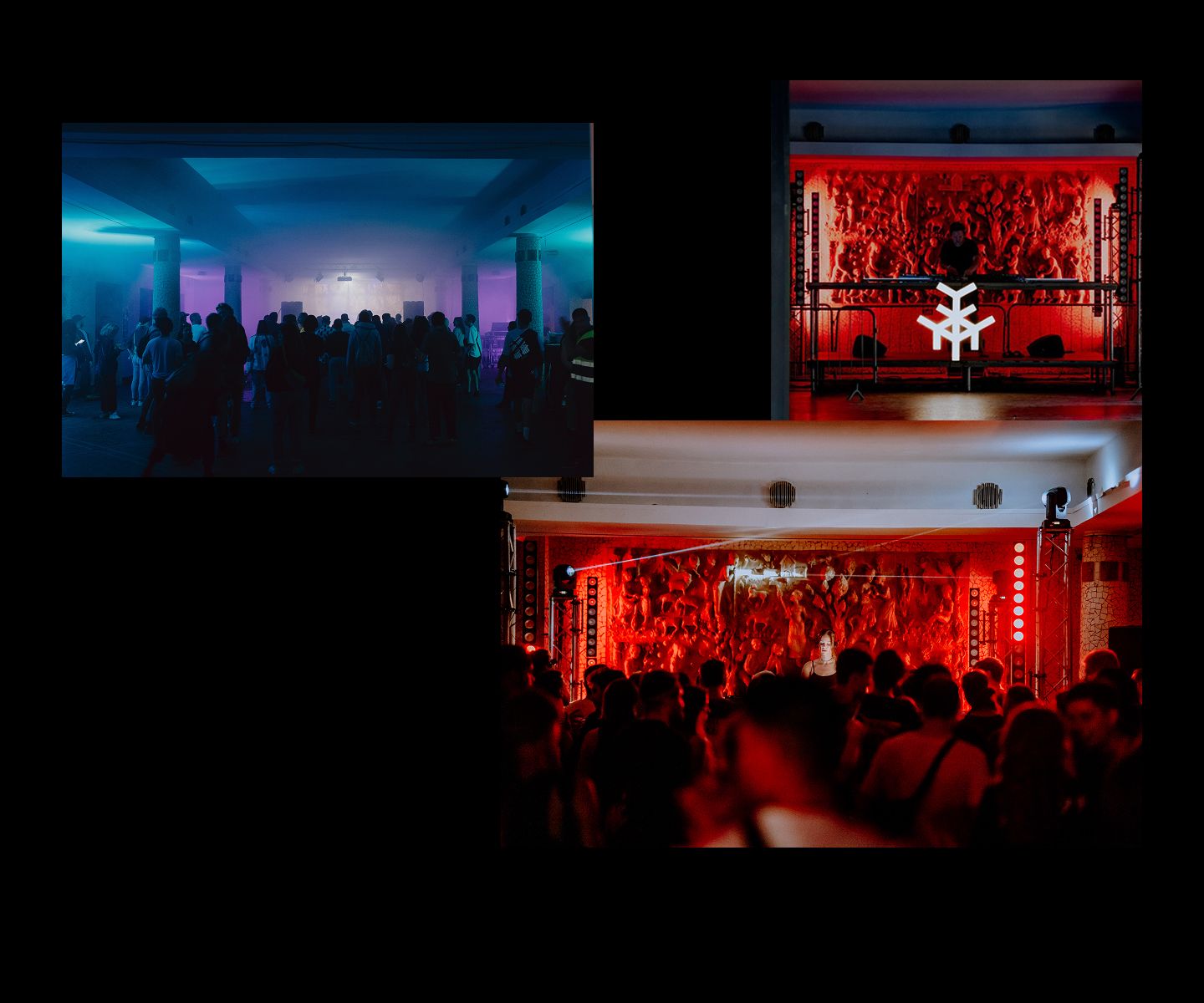
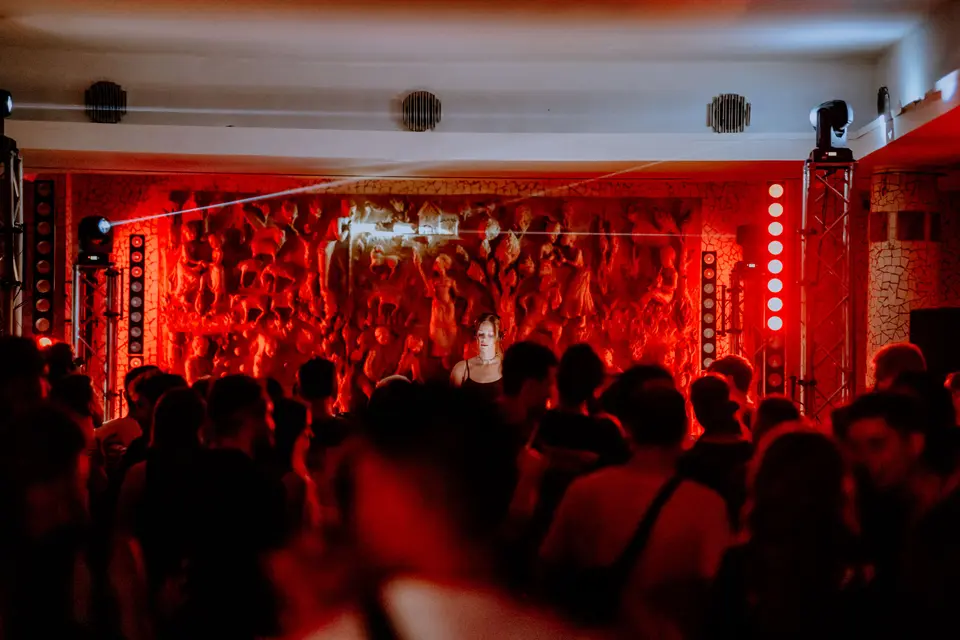
The former restaurant of the community center, home to the beautiful 1957 relief Körtánc (‘Round Dance’) by ceramic artist Margit Kovács.
Tickets can be purchased online through Cooltix, the festival's official ticketing platform: TICKETS
Yes. Provided the specific program is not sold out, tickets will be available at the venue.
Yes, presenting your ticket on your smartphone is sufficient for entry.
You can pay with cash, debit/credit card, or OTP SZÉP card.
The festival is cashless. Payments can be made via debit/credit card or the FestiPay system.
First, check your spam folder. If you registered a Cooltix account, your ticket can also be found and downloaded by logging into your profile.
Your ticket is available at any time within your Cooltix account.
The INOTA festival and LIGHT FACTORY exhibition is held at the Inota Power Plant near Várpalota.
The venue is accessible by car, bus, and train.
More information on our TRAVEL GUIDE page.
During the day, trains will run hourly between Budapest Déli Railway Station and Várpalota Railway Station, with a journey time of approximately one hour. From Várpalota Station, shuttle buses will take visitors to the festival and back, timed to coincide with train arrivals and departures. Tickets will be available for purchase in advance, as well as on the shuttle buses, subject to availability.
More information on our TRAVEL GUIDE page.
Yes, there will be a designated parking area located outside the festival grounds.
Yes, if you are staying in the area, you can use a local taxi service or book a ride with Bolt.
More information on our TRAVEL GUIDE page.
LIGHT FACTORY is a large-scale audiovisual exhibition set within the unique spaces of the Inota Power Plant. The dates and further details will be announced soon.
Yes. The LIGHT FACTORY exhibition normally requires a separate ticket, which does not grant access to the festival programs. However, LIGHT FACTORY will also be open during the INOTA Festival and can be visited with a valid festival day ticket or festival pass, without purchasing a separate exhibition ticket.
The exhibition area will be cleared 30 minutes before closing time.
It typically takes 60–90 minutes to walk through.
While the exhibition is designed for self-guided exploration, guided tours are available and require a separate ticket.
Yes, children can visit under parental supervision, keeping in mind the industrial nature of the site.
Yes, children under the age of 6 can visit the exhibition free of charge. Discounted tickets are available for children aged 6 to 14.
Yes, dogs on a leash are permitted. However, the area is large and local wildlife may be present, so please stay alert.
Lost items can be handed in or claimed at the entry point.
No. There are no dedicated shuttle services operating during the exhibition. The venue can be reached by car, bus, and train. The easiest way to get there is by using regular VOLÁN bus services. The entrance is approximately a 5-minute walk from the official bus stop.
More information on our TRAVEL GUIDE page.
Yes, a designated parking lot is available for visitors.
Unfortunately, due to the site's physical conditions, not all areas of the exhibition are accessible by wheelchair.
Yes, due to the conditions of the site, we recommend wearing comfortable, closed-toe shoes when visiting the exhibition.
More information coming soon.
Yes. Day tickets allow for re-entry within their validity period, and festival passes allow free movement in and out throughout the entire duration.
During the festival, only assistance dogs are allowed. Requirements: leash, muzzle, and proof of valid rabies vaccination.
Yes, a luggage and valuables storage service will be operating during the festival.
During the festival, check the Information Desk for lost property.
Yes, phone charging points will be available on-site.
Yes, there will be a dedicated merchandise stall on the festival grounds.
There is an info point on-site where you can ask for help, check for lost items, or get general program information.
No, there is no dedicated tobacco shop within the festival area.
Yes, but only when accompanied by an adult. After 22:00 (10:00 PM), entry is restricted to those aged 18 and over.
Yes, a camping area is available in connection with the festival.
The campsite is a 10-minute walk north of the festival site. You can use this map to find your way.
More information coming soon.
No, the camping ticket is valid for the entire duration of the festival.
The showers are located halfway between the festival site and the campsite. You’ll see them along the way.
Yes, you may bring your own food and drinks into the campsite in quantities intended for personal, non-commercial use.
Alcohol may be brought into the campsite in limited quantities.
Yes, secure storage will be available at the campsite, and luggage storage will also be available at the community house.
A variety of street food and gastronomic options are expected, including vegetarian and other special dietary choices.
Restrictions apply to bringing outside food and drinks into the festival area (refer to the House Rules).
Commercial quantities of food or tobacco are not permitted.
Drinking water stations will be available throughout the festival area.
Areas open to the public have been made safe. Please follow all signs and staff instructions. Entering "Restricted" or "Closed" areas is strictly forbidden.
Closed-toe shoes are required as the ground is uneven.
The site is a partly hilly and uneven industrial terrain. Expect temperatures to be colder than average at night.
As a former industrial site, it is not fully accessible. Some parts of the exhibition can be reached by wheelchair, but terrain conditions are not ideal everywhere, and some installations are only accessible via stairs. During the festival, movement may be further restricted by crowds.
Closed shoes, a reusable water bottle, a flashlight, warm clothing, and a raincoat.
Yes, several covered halls and indoor spaces are available.
Yes, there are portable restrooms on-site, and facilities are also available in the Community Center (Művelődési Ház).
Yes, mobile signal boosters help maintain connectivity.
Yes, photography and filming are permitted. However, drones may only be used with prior written permission.
Yes, official photo and video documentation will be recorded during the event.
Feel free to approach festival staff. During the exhibition, volunteers in distinctive clothing will also be present to help.
Selective waste bins are located on-site. Free pocket ashtrays are also available at the entrance.
INOTA is not a point in time, but an architecture of overlapping, dynamic historical layers: a unique place where the industrial heritage of the socialist past, the creative energies of the present, and visions of the future still searching for their forms coexist at once.
Thank you to our supporters – we wouldn’t be here without you.
Want to join? Connect with us! → info@inota.eu
The thermal power plant of Inota (Google Maps), was the largest industrial investment in Hungary in the 50s, and at its peak it could have supplied the whole of Budapest with electricity.
Not only are its three huge, illustrious cooling towers familiar to anyone driving to Lake Balaton from the capital, but it is also worth knowing that their novel water-cooling technology was a revolutionary innovation at the time, winning engineers László Heller and László Forgó the Grand Prix at the 1958 Brussels World Exhibition.
Thanks to Inota, these uniquely shaped cooling towers soon became widespread throughout the world.
Fifty years ago, turbines rumbled here, generating electricity inside the 6,000-square-meter hall lined with glass bricks. By day, it’s a monumental exhibition space; by night, an iconic rave venue - the cultural gravitational center of the site.
The (not so) smaller brother of the Turbine Hall is one of our most important installation spaces where winding pipes and staircases merge into a large-scale industrial organism.
In the largest courtyard of the dieselpunk-flavored industrial area, you can ease into the evening under a Bedouin tent, guided by slower, more mystical rhythms, as the setting sun paints the landscape behind the three towers.
The 60-meter cooling towers dominating the skyline once cooled water in a closed-loop system using air condensation, recirculating the chilled liquid back into operation. During our festival, they host a new light installation every year.
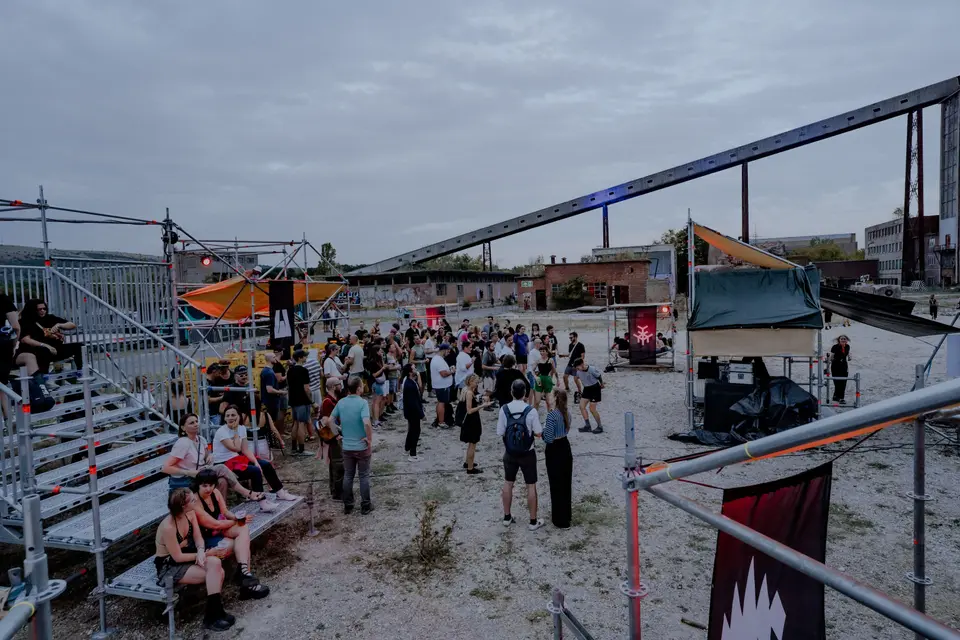
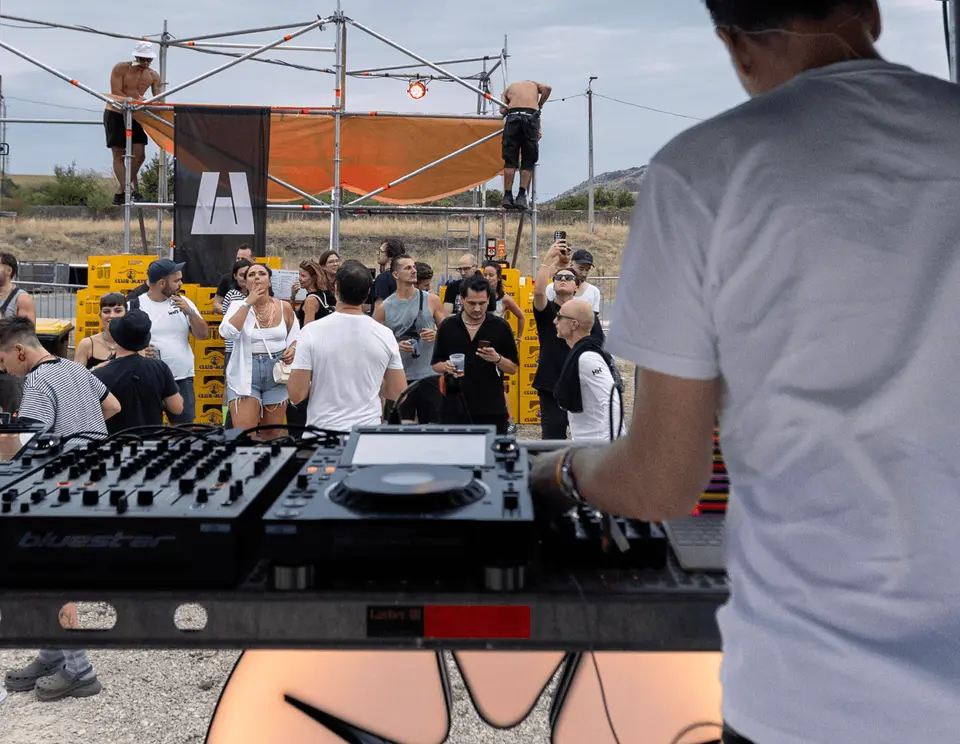
Our chill oasis transforms into the main dance floor from afternoon till dawn, under a light-pollution-free sky.
A melting pot of the most radical electronic music genres, bringing together hardcore, breakcore, mental tek, psytek, hardtek and hi-tech beneath the three cooling towers. Featuring international artists and Hungarian producers, the stage itself will also serve as a spectacular visual installation.
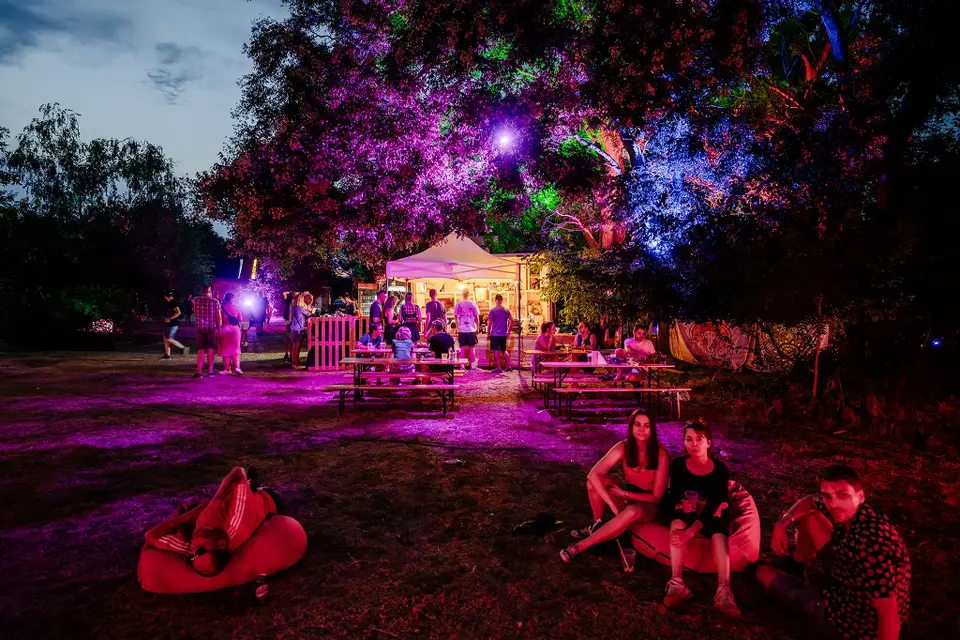
The Depo highlights INOTA’s workshop- and small exhibition space character, located along the route leading toward the back areas of the site.
The power plant included a housing estate - Inota even had its own postcode - and a beach and a community centre were also built for the families of the workers. In the foyer of the latter, 1950s mosaics by Gyula Hincz and Géza Fónyi welcome visitors to the theatre with its brutalist ceiling, said to have been the most acoustically sophisticated theatre in Central Europe at the time.
The former restaurant of the community center, home to the beautiful 1957 relief Körtánc (‘Round Dance’) by ceramic artist Margit Kovács.
Tickets can be purchased online through Cooltix, the festival's official ticketing platform: TICKETS
Yes. Provided the specific program is not sold out, tickets will be available at the venue.
Yes, presenting your ticket on your smartphone is sufficient for entry.
You can pay with cash, debit/credit card, or OTP SZÉP card.
The festival is cashless. Payments can be made via debit/credit card or the FestiPay system.
First, check your spam folder. If you registered a Cooltix account, your ticket can also be found and downloaded by logging into your profile.
Your ticket is available at any time within your Cooltix account.
The INOTA festival and LIGHT FACTORY exhibition is held at the Inota Power Plant near Várpalota.
The venue is accessible by car, bus, and train.
More information on our TRAVEL GUIDE page.
During the day, trains will run hourly between Budapest Déli Railway Station and Várpalota Railway Station, with a journey time of approximately one hour. From Várpalota Station, shuttle buses will take visitors to the festival and back, timed to coincide with train arrivals and departures. Tickets will be available for purchase in advance, as well as on the shuttle buses, subject to availability.
More information on our TRAVEL GUIDE page.
Yes, there will be a designated parking area located outside the festival grounds.
Yes, if you are staying in the area, you can use a local taxi service or book a ride with Bolt.
More information on our TRAVEL GUIDE page.
LIGHT FACTORY is a large-scale audiovisual exhibition set within the unique spaces of the Inota Power Plant. The dates and further details will be announced soon.
Yes. The LIGHT FACTORY exhibition normally requires a separate ticket, which does not grant access to the festival programs. However, LIGHT FACTORY will also be open during the INOTA Festival and can be visited with a valid festival day ticket or festival pass, without purchasing a separate exhibition ticket.
The exhibition area will be cleared 30 minutes before closing time.
It typically takes 60–90 minutes to walk through.
While the exhibition is designed for self-guided exploration, guided tours are available and require a separate ticket.
Yes, children can visit under parental supervision, keeping in mind the industrial nature of the site.
Yes, children under the age of 6 can visit the exhibition free of charge. Discounted tickets are available for children aged 6 to 14.
Yes, dogs on a leash are permitted. However, the area is large and local wildlife may be present, so please stay alert.
Lost items can be handed in or claimed at the entry point.
No. There are no dedicated shuttle services operating during the exhibition. The venue can be reached by car, bus, and train. The easiest way to get there is by using regular VOLÁN bus services. The entrance is approximately a 5-minute walk from the official bus stop.
More information on our TRAVEL GUIDE page.
Yes, a designated parking lot is available for visitors.
Unfortunately, due to the site's physical conditions, not all areas of the exhibition are accessible by wheelchair.
Yes, due to the conditions of the site, we recommend wearing comfortable, closed-toe shoes when visiting the exhibition.
More information coming soon.
Yes. Day tickets allow for re-entry within their validity period, and festival passes allow free movement in and out throughout the entire duration.
During the festival, only assistance dogs are allowed. Requirements: leash, muzzle, and proof of valid rabies vaccination.
Yes, a luggage and valuables storage service will be operating during the festival.
During the festival, check the Information Desk for lost property.
Yes, phone charging points will be available on-site.
Yes, there will be a dedicated merchandise stall on the festival grounds.
There is an info point on-site where you can ask for help, check for lost items, or get general program information.
No, there is no dedicated tobacco shop within the festival area.
Yes, but only when accompanied by an adult. After 22:00 (10:00 PM), entry is restricted to those aged 18 and over.
Yes, a camping area is available in connection with the festival.
The campsite is a 10-minute walk north of the festival site. You can use this map to find your way.
More information coming soon.
No, the camping ticket is valid for the entire duration of the festival.
The showers are located halfway between the festival site and the campsite. You’ll see them along the way.
Yes, you may bring your own food and drinks into the campsite in quantities intended for personal, non-commercial use.
Alcohol may be brought into the campsite in limited quantities.
Yes, secure storage will be available at the campsite, and luggage storage will also be available at the community house.
A variety of street food and gastronomic options are expected, including vegetarian and other special dietary choices.
Restrictions apply to bringing outside food and drinks into the festival area (refer to the House Rules).
Commercial quantities of food or tobacco are not permitted.
Drinking water stations will be available throughout the festival area.
Areas open to the public have been made safe. Please follow all signs and staff instructions. Entering "Restricted" or "Closed" areas is strictly forbidden.
Closed-toe shoes are required as the ground is uneven.
The site is a partly hilly and uneven industrial terrain. Expect temperatures to be colder than average at night.
As a former industrial site, it is not fully accessible. Some parts of the exhibition can be reached by wheelchair, but terrain conditions are not ideal everywhere, and some installations are only accessible via stairs. During the festival, movement may be further restricted by crowds.
Closed shoes, a reusable water bottle, a flashlight, warm clothing, and a raincoat.
Yes, several covered halls and indoor spaces are available.
Yes, there are portable restrooms on-site, and facilities are also available in the Community Center (Művelődési Ház).
Yes, mobile signal boosters help maintain connectivity.
Yes, photography and filming are permitted. However, drones may only be used with prior written permission.
Yes, official photo and video documentation will be recorded during the event.
Feel free to approach festival staff. During the exhibition, volunteers in distinctive clothing will also be present to help.
Selective waste bins are located on-site. Free pocket ashtrays are also available at the entrance.